Arrange column order by dragging and dropping the column header left/right with your mouse.
Sort items in a column by ascending values by clicking the table header once. Click a second time to sort by descending order. Click a third time to remove the sorting for that column.
Shift-click additional column headers to sort by multiple attributes. The first column you sort becomes the primary sort, and each Shift-clicked column adds a secondary level of sorting.
建議的產品
有庫存
產品資料目前無法使用.
重設
One or more filters were not applied to the Product Selection.
No products match your selected filters. Try removing or changing your filters to view relevant results.
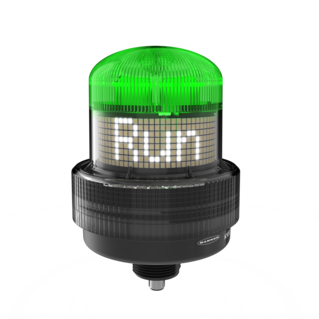
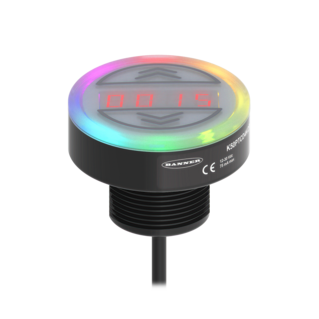
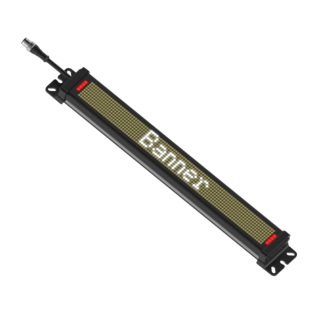
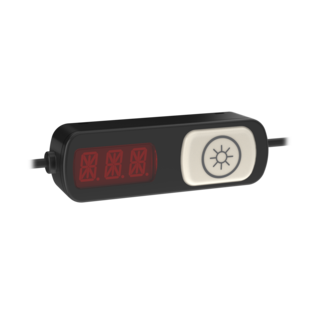
Banner Engineering Display solutions support a range of communication options. There are Discrete IO, IO-link, Modbus, Wireless, and Pick-IQ options available to allow for seamless integration.
Most banner displays operate on a 10-30 V dc supply voltage. There is also 18-30 V dc. Connection types vary between Dual Pigtail QD, Integral QD and Pigtail QD.
Banner LED indicators and displays provide visual feedback to the operator. Devices can be used with discrete inputs, using PLCs, HMI, or other control systems. LEDs can be programmed to change colors (green/yellow/red) to show process stages, machine warmup, or emergency stops, and more.
Discrete models can be controlled via a voltage signal, making it better for straightforward applications. Whereas PICK IO and IO link will need a Modbus client or IO link master to command the lights, making it better for advanced applications.