레이더 센서
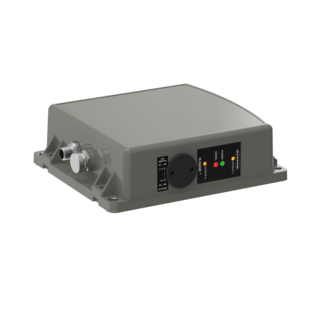
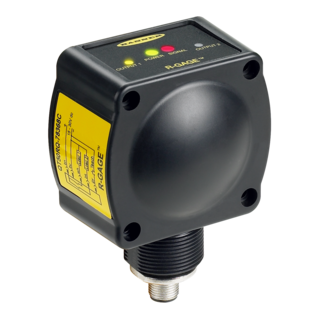
레이더 센서는 FMCW(주파수 변조 연속파) 레이더를 사용하여 움직이거나 정지한 표적을 확실하게 감지합니다.
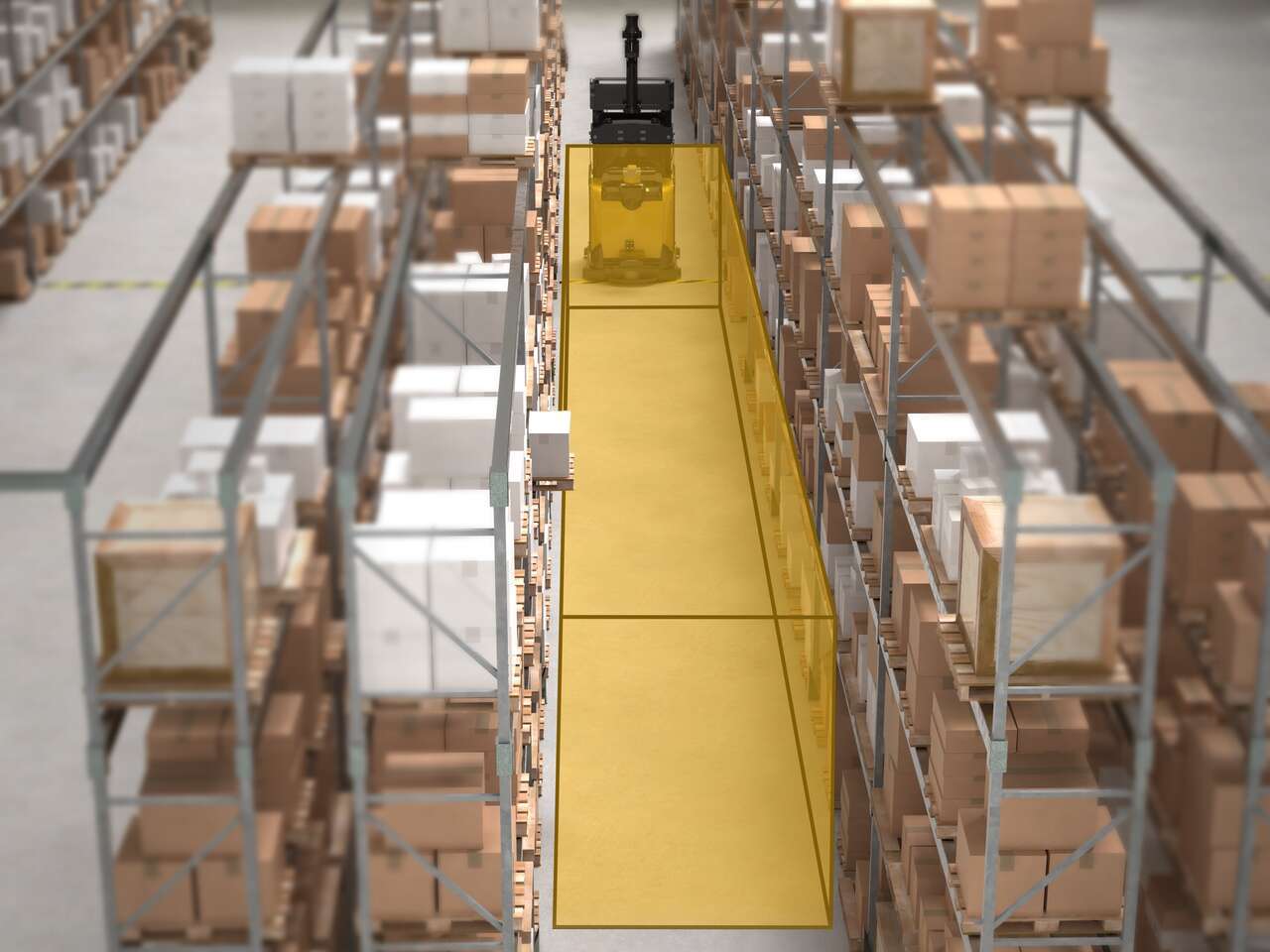
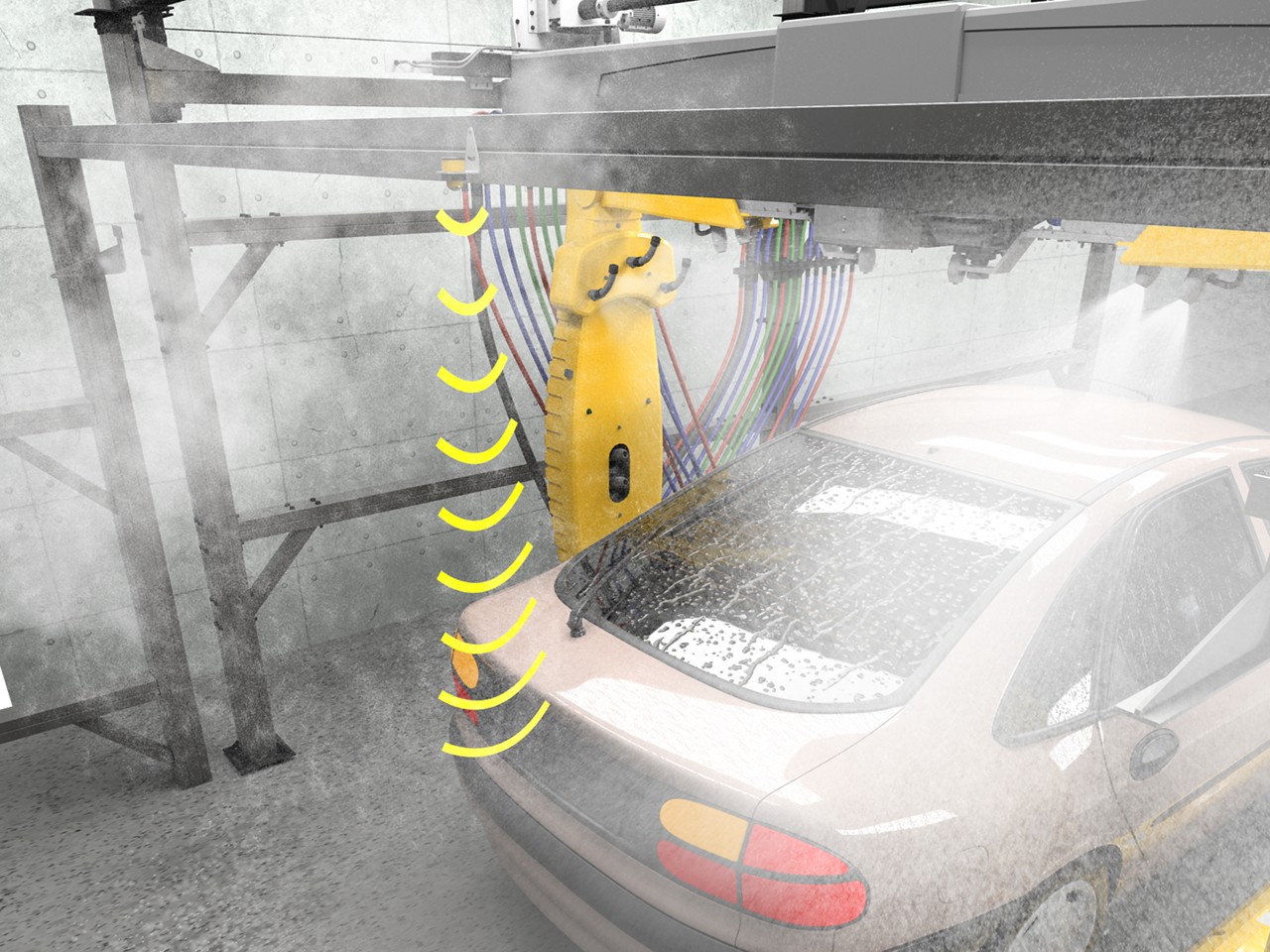
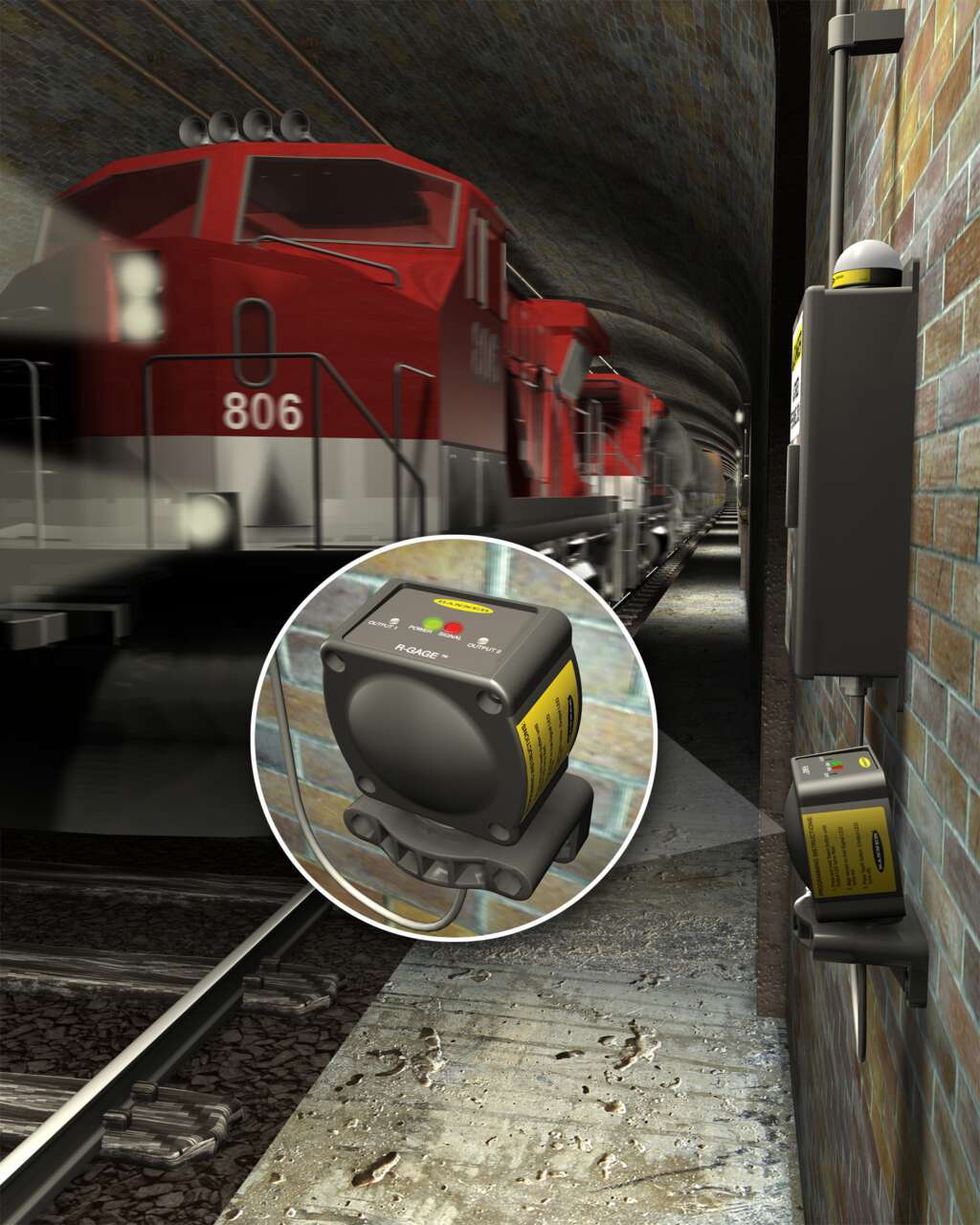
저주파 레이더는 극한의 기상 조건에서도 자동차, 기차, 트럭, 화물을 포함한 고유전 물체를 감지할 수 있습니다. 고주파 레이더는 실외를 포함한 대부분의 환경에서 폭넓은 범위의 물체를 감지할 수 있으며 초음파 센서보다 내구성이 뛰어납니다. 레이더 기반 센서는 리치 스태커, 지게차, 채굴 차량과 같은 온보드 이동식 장비 또는 캐리어, 핸들러, 선적기 등과 같은 항만 기계류의 충돌 방지에도 이상적입니다.
On their own, radar sensors are a durable and reliable method for object and vehicle detection, collision avoidance, positioning feedback, tank level measurement, and more. They can do all of this either indoors or out, at short ranges or long distances, even when the environment presents unusual challenges that might trip up other sensor technology. But when incorporated as part of an automated system comprising sensing, real-time indication, and instant feedback, radar becomes an incredibly powerful—and necessary—component of a reliable and efficient operation.
Variations in radar technology offer distinct advantages depending on their frequency. Certain radar frequencies excel at detecting high dielectric objects such as cars, trains, trucks, and cargo, even under extreme weather conditions. Other radar frequencies can detect a broader array of objects and generally outperform ultrasonic sensors in most applications, including outdoor environments. Radar-based sensors are particularly well-suited for collision avoidance in mobile equipment like reach stackers, forklifts, and mining vehicles, as well as port machinery such as carriers, handlers, and shippers. Banner offers a variety of products across different frequencies, ensuring the right sensor for each specific application.
레이더 적용 분야
Radar Products
| Series Image | Series Name | Frequency | Sensing Range (m) | Sensing Zones | Beam Pattern | Interface: Discrete | Interface: Analog | Interface: PulsePro | Interface: IO-Link | Sensitivity | Accuracy | Ambient Weather Performance | Configuration: PC GUI | Configuration: Push Buttons | Configuration: Remote Input | Configuration: DIP Switches |
|---|---|---|---|---|---|---|---|---|---|---|---|---|---|---|---|---|
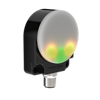
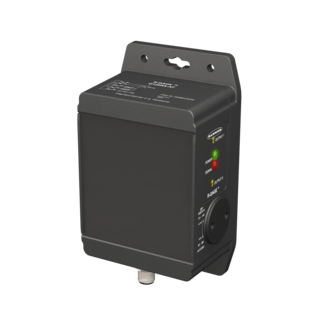
| Series Image |
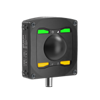
Series Name Q90R | Frequency 60 GHz | Sensing Range (m) 20 | Sensing Zones 2 | Beam Pattern 40° x 40° | Interface: Discrete ✅ YES | Interface: Analog ✅ YES | Interface: PulsePro ✅ YES | Interface: IO-Link ✅ YES | Sensitivity ★★★ BEST | Accuracy ★★★ BEST | Ambient Weather Performance ★★ BETTER | Configuration: PC GUI ✅ YES | Configuration: Push Buttons 🚫 NO | Configuration: Remote Input ✅ YES | Configuration: DIP Switches 🚫 NO |
| Series Image |
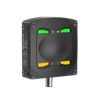
Series Name Q90R2 | Frequency 60 GHz | Sensing Range (m) 20 | Sensing Zones Configurable | Beam Pattern 120° x 40° | Interface: Discrete ✅ YES | Interface: Analog ✅ YES | Interface: PulsePro ✅ YES | Interface: IO-Link ✅ YES | Sensitivity ★★★ BEST | Accuracy ★★★ BEST | Ambient Weather Performance ★★ BETTER | Configuration: PC GUI ✅ YES | Configuration: Push Buttons 🚫 NO | Configuration: Remote Input ✅ YES | Configuration: DIP Switches 🚫 NO |
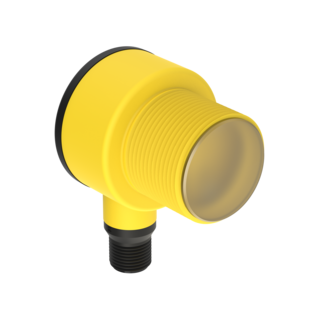
| Series Image |
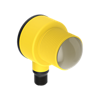
Series Name T30R | Frequency 122 GHz | Sensing Range (m) 6, 10, 15, 25 | Sensing Zones 2 | Beam Pattern 15° x 15°, 45° x 45° | Interface: Discrete ✅ YES | Interface: Analog ✅ YES | Interface: PulsePro ✅ YES | Interface: IO-Link ✅ YES | Sensitivity ★★★ BEST | Accuracy ★★★ BEST | Ambient Weather Performance ★★ BETTER | Configuration: PC GUI ✅ YES | Configuration: Push Buttons ✅ YES | Configuration: Remote Input ✅ YES | Configuration: DIP Switches 🚫 NO |
| Series Image |
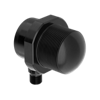
Series Name T30RW | Frequency 122 GHz | Sensing Range (m) 15 | Sensing Zones 2 | Beam Pattern 15° x 15° | Interface: Discrete ✅ YES | Interface: Analog ✅ YES | Interface: PulsePro ✅ YES | Interface: IO-Link ✅ YES | Sensitivity ★★★ BEST | Accuracy ★★★ BEST | Ambient Weather Performance ★★ BETTER | Configuration: PC GUI ✅ YES | Configuration: Push Buttons 🚫 NO | Configuration: Remote Input ✅ YES | Configuration: DIP Switches 🚫 NO |
| Series Image |
Series Name K50R | Frequency 60 GHz | Sensing Range (m) 3, 5 | Sensing Zones 2 | Beam Pattern 40° x 30°, 80° x 60° | Interface: Discrete ✅ YES | Interface: Analog ✅ YES | Interface: PulsePro ✅ YES | Interface: IO-Link ✅ YES | Sensitivity ★★ BETTER | Accuracy ★★ BETTER | Ambient Weather Performance ★★ BETTER | Configuration: PC GUI ✅ YES | Configuration: Push Buttons 🚫 NO | Configuration: Remote Input ✅ YES | Configuration: DIP Switches 🚫 NO |
| Series Image |
Series Name Q130R | Frequency 24 GHz | Sensing Range (m) 24, 40 | Sensing Zones 1 | Beam Pattern 90° x 76°, 24° x 50° | Interface: Discrete ✅ YES | Interface: Analog 🚫 NO | Interface: PulsePro 🚫 NO | Interface: IO-Link 🚫 NO | Sensitivity ★ GOOD | Accuracy ★ GOOD | Ambient Weather Performance ★★★ BEST | Configuration: PC GUI ✅ YES | Configuration: Push Buttons 🚫 NO | Configuration: Remote Input ✅ YES | Configuration: DIP Switches 🚫 NO |
| Series Image |
Series Name QT50R | Frequency 24 GHz | Sensing Range (m) 3.5, 12, 24 | Sensing Zones 1 or 2 | Beam Pattern 90° x 76° | Interface: Discrete ✅ YES | Interface: Analog ✅ YES | Interface: PulsePro 🚫 NO | Interface: IO-Link 🚫 NO | Sensitivity ★ GOOD | Accuracy ★ GOOD | Ambient Weather Performance ★★★ BEST | Configuration: PC GUI 🚫 NO | Configuration: Push Buttons 🚫 NO | Configuration: Remote Input 🚫 NO | Configuration: DIP Switches ✅ YES |
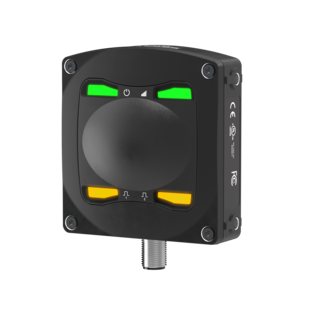
| Series Image |
Series Name Q240R | Frequency 24 GHz | Sensing Range (m) 40, 100 | Sensing Zones 2 | Beam Pattern 11° x 13° | Interface: Discrete ✅ YES | Interface: Analog ✅ YES | Interface: PulsePro 🚫 NO | Interface: IO-Link 🚫 NO | Sensitivity ★ GOOD | Accuracy ★ GOOD | Ambient Weather Performance ★★★ BEST | Configuration: PC GUI 🚫 NO | Configuration: Push Buttons 🚫 NO | Configuration: Remote Input 🚫 NO | Configuration: DIP Switches ✅ YES |
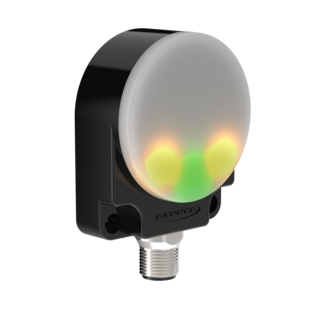
| Series Image |
Series Name Q120R | Frequency 24 GHz | Sensing Range (m) 12, 26, 40 | Sensing Zones 2 | Beam Pattern 24° x 50° | Interface: Discrete ✅ YES | Interface: Analog 🚫 NO | Interface: PulsePro 🚫 NO | Interface: IO-Link 🚫 NO | Sensitivity ★ GOOD | Accuracy ★ GOOD | Ambient Weather Performance ★★★ BEST | Configuration: PC GUI 🚫 NO | Configuration: Push Buttons 🚫 NO | Configuration: Remote Input 🚫 NO | Configuration: DIP Switches ✅ YES |
Sensing in particular environments can present a number of challenges that don’t exist in close-quarter, climate-controlled settings. Temperature extremes, precipitation, swirling dust and dirt, objects in motion both near and far, and a variety of surfaces and materials require a device able to sort through it all. There’s one type of device that can resist all these problems and detect only what’s necessary whether indoors or outside—the radar sensor.
Radar stands for Radio Detection And Ranging. It’s an object detection system in which electromagnetic radio waves are sent out by an emitter and used to determine the distance, position, and presence of an object. Banner uses two types of radar sensor technologies: FMCW and pulsed.
Frequency Modulated Continuous Wave (FMCW) radar sends out a continuous stream of radio waves while constantly listening for any reflected waves. The difference between the frequencies of the emitted and reflected signals can be used to calculate a distance. FMCW is considered to be more accurate than pulsed radar.
Pulsed radar emits radio waves in short bursts, then listens for a reflected signal to return to the receiver before sending out another pulse. A target’s distance can be calculated using the time it takes for a pulse to be emitted, reflected, and returned to the receiver. Pulsed signals use less energy than a continuous one, so the sensor will consume less power.
Detection Abilities
An object’s shape, size, material, and angle of incidence influence its ability to be seen by radar. These factors determine an object’s radar cross section, which is how detectable an object is by radar. Large targets presented perpendicularly will be easier to detect than smaller targets or those presented at an angle. Materials that have a high dielectric constant, like metal or water, have a dense electric field and can more easily reflect electromagnetic waves. They will return a stronger radar signal than materials with a lower dielectric constant, such as organic material or plastic, whose lower-density electric fields permit more electromagnetic waves to pass through without reflection.
Another crucial part of radar is the operating frequency. Different frequencies are able to detect different types of materials. Sensors with 24 GHz radar can perform long-range sensing with high immunity to ambient environmental conditions, but have a coarse resolution and are limited to detecting targets with a large radar cross section. Sensors that use 60 GHz or 122 GHz radar have shorter ranges, but are more accurate and can detect both high and low dielectric materials.
Uses of Radar
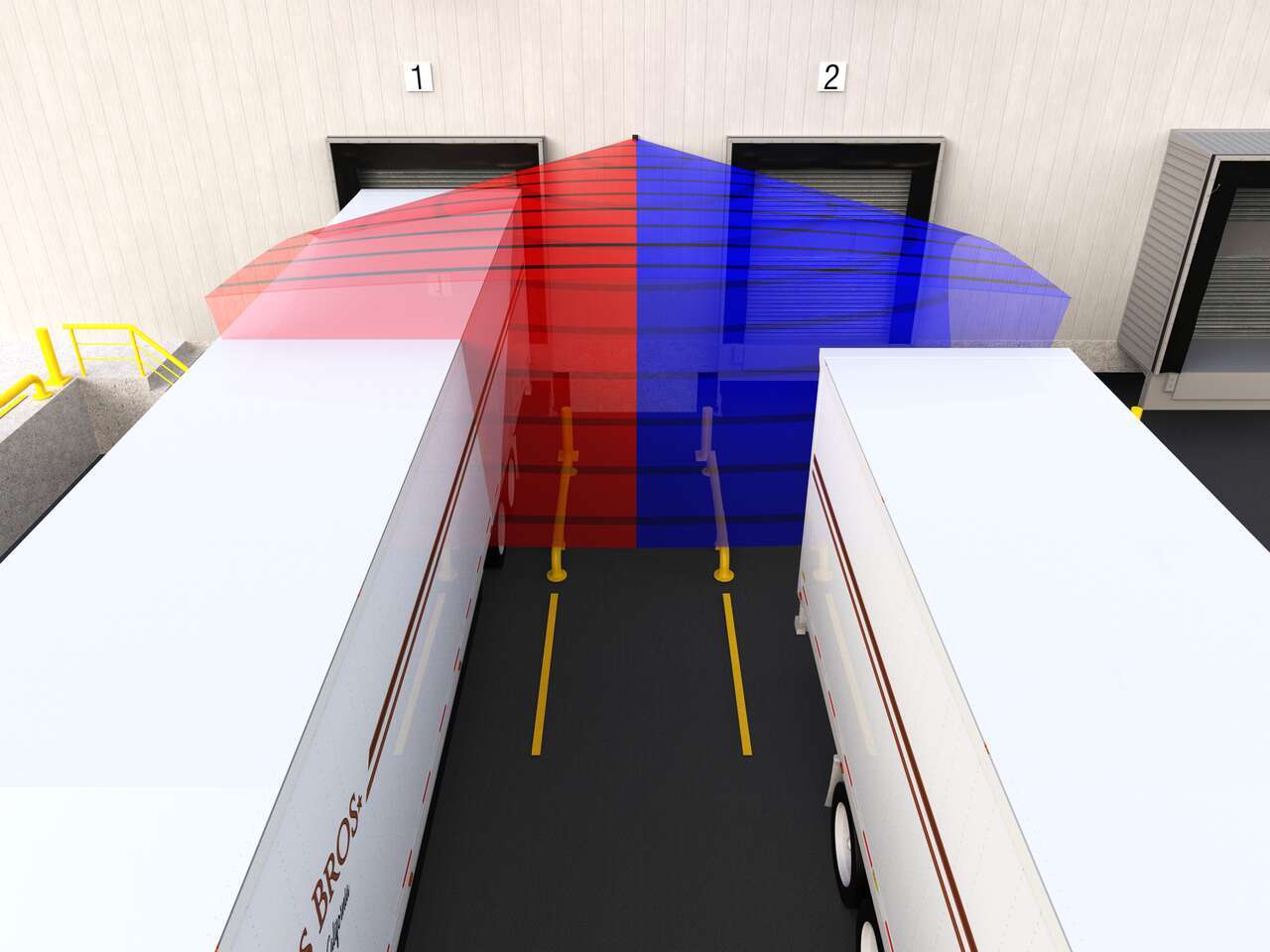
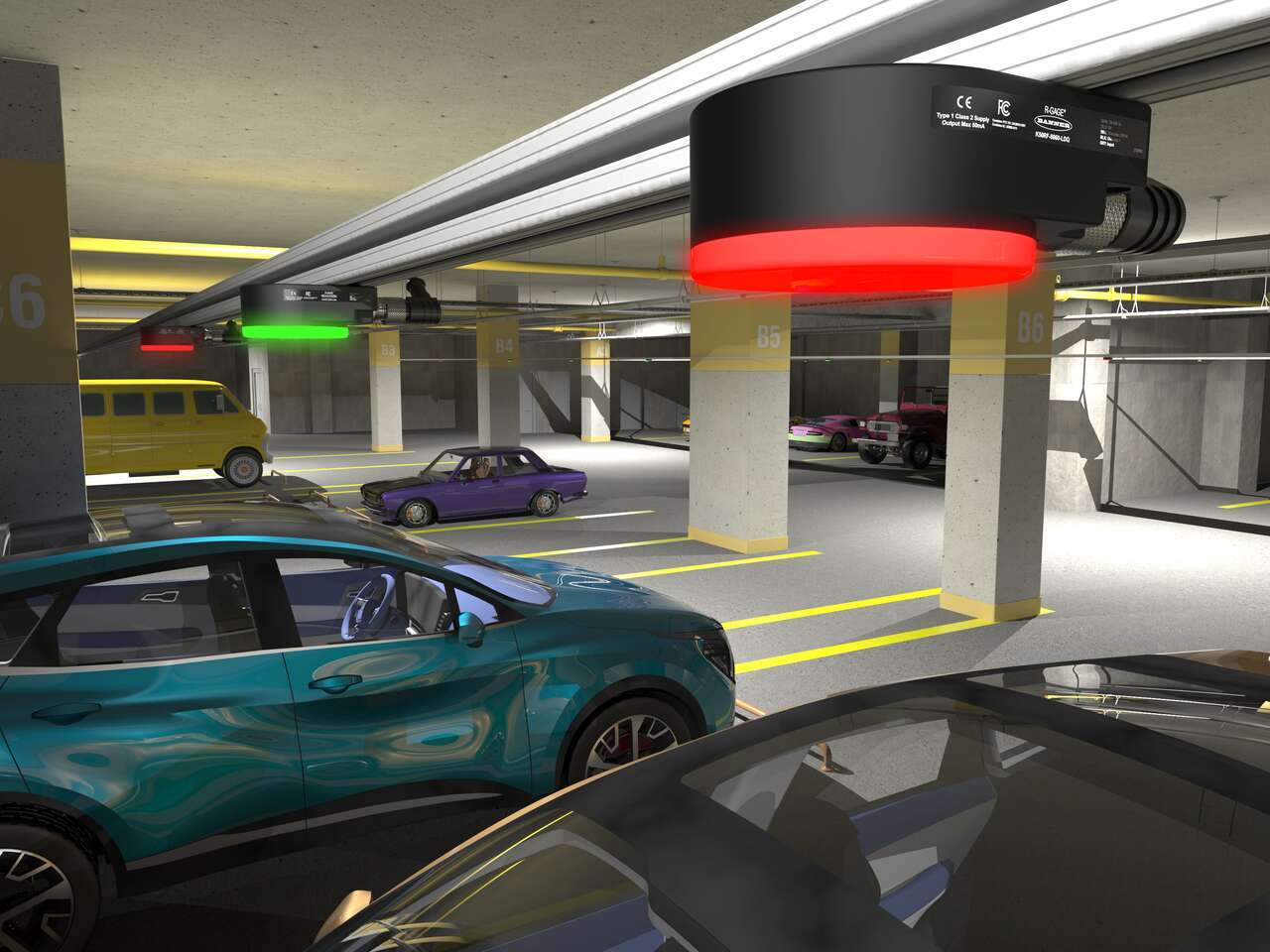
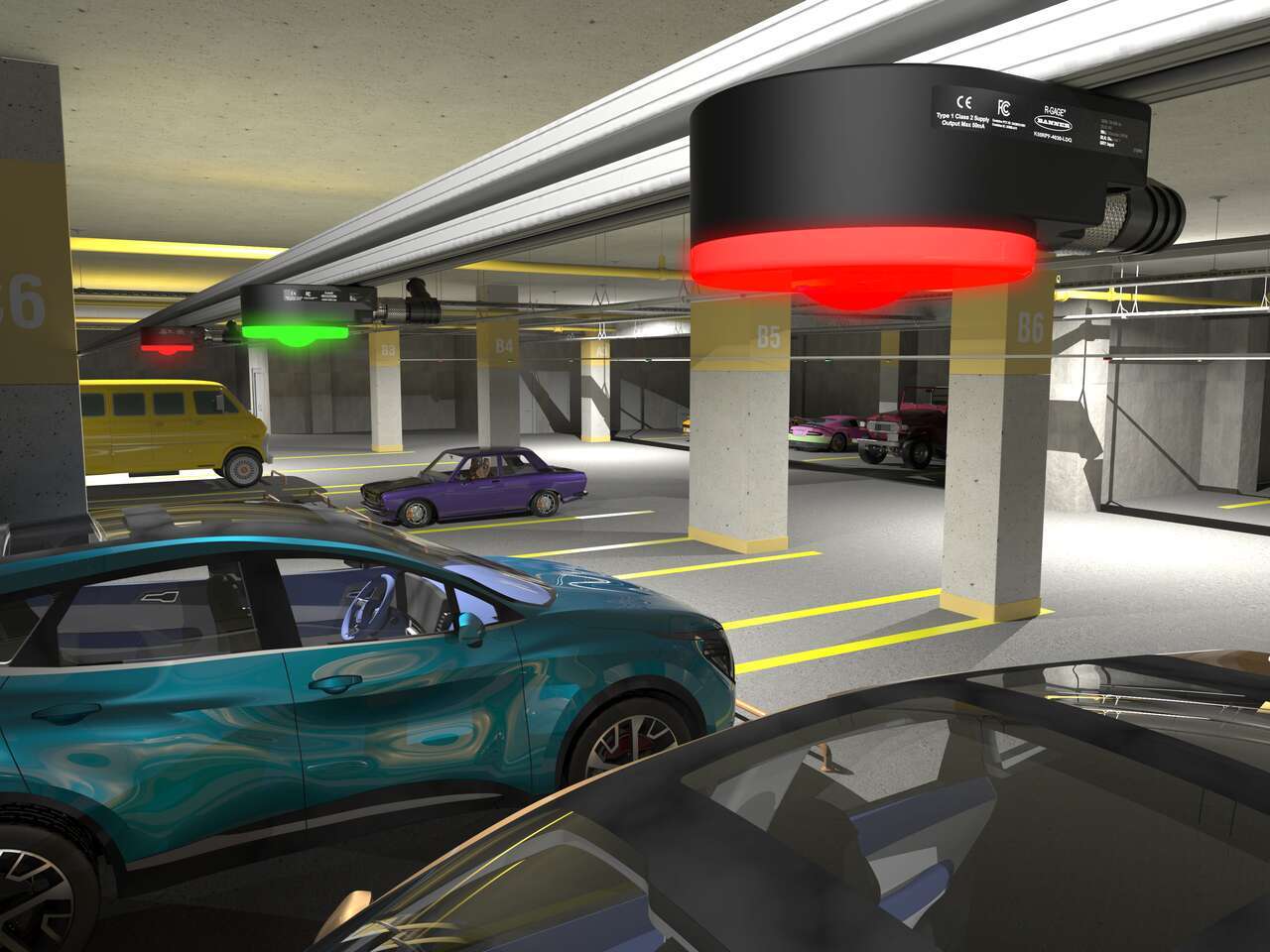
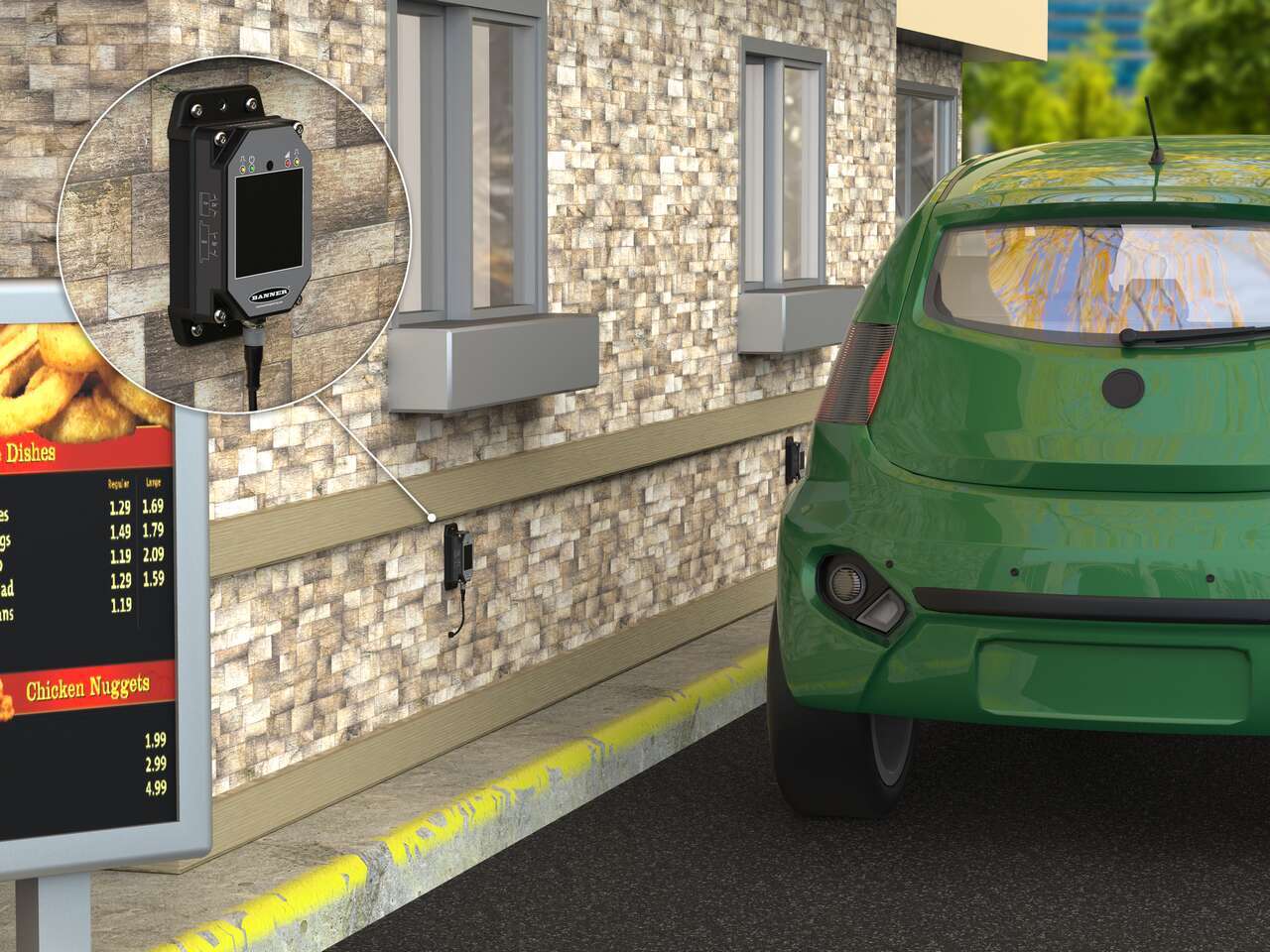
While familiar uses of radar include tracking aircraft and checking driving speeds, radar sensors are valuable in many industries. They can be used on vehicles for collision avoidance on cranes to maintain safe distances between them and their cargo, and detect the presence of vehicles in a parking garage or drive thru.
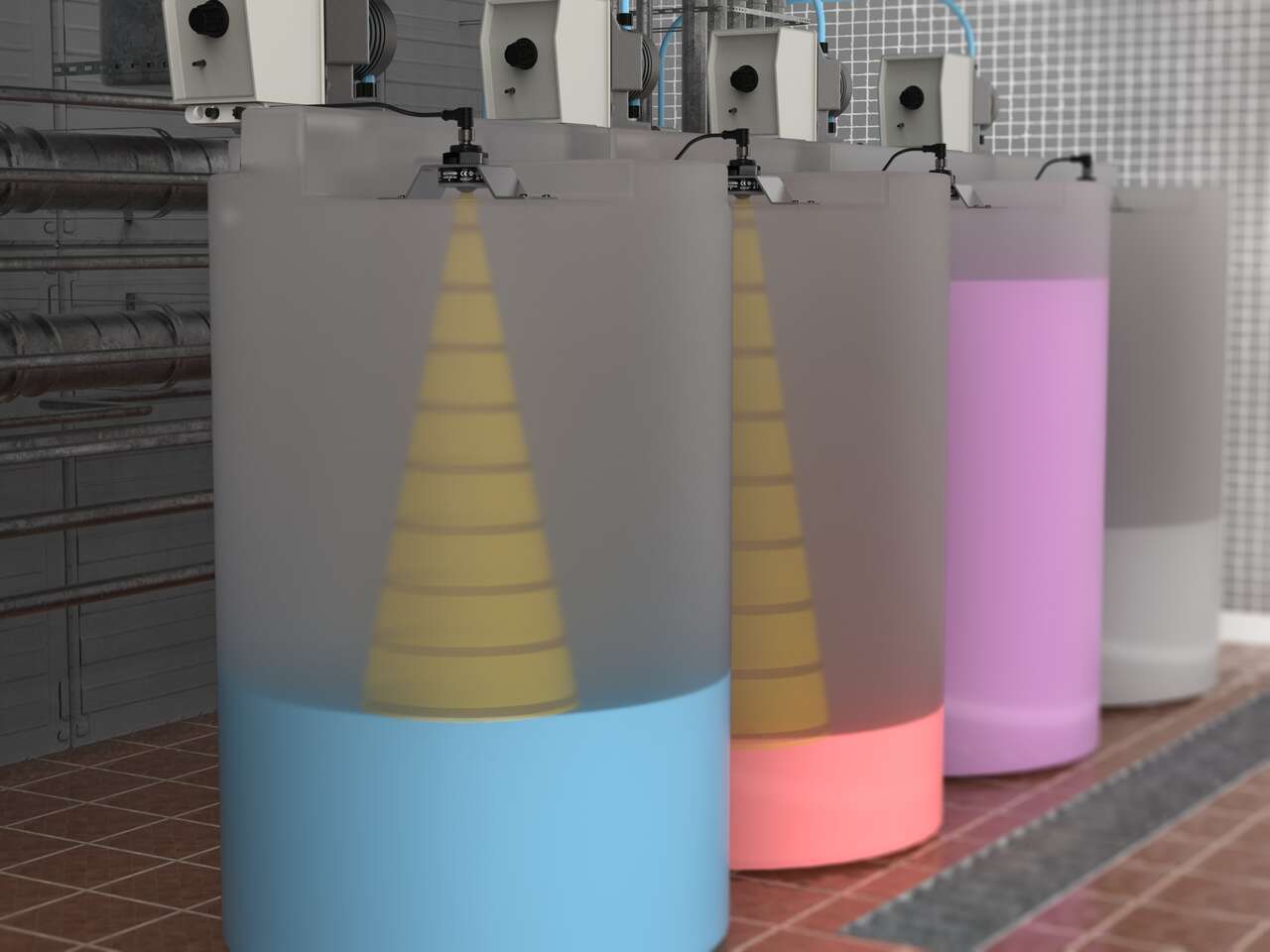
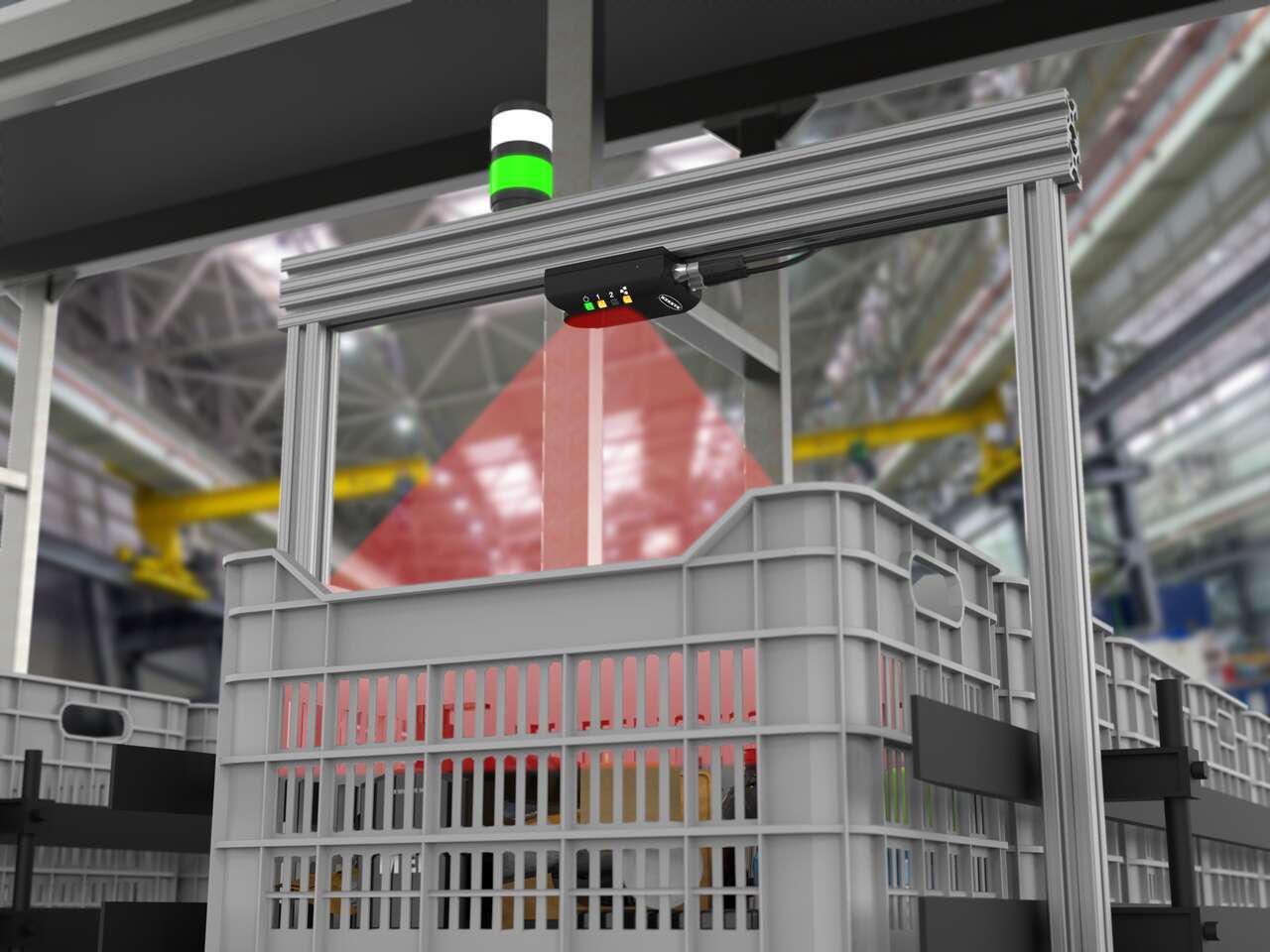
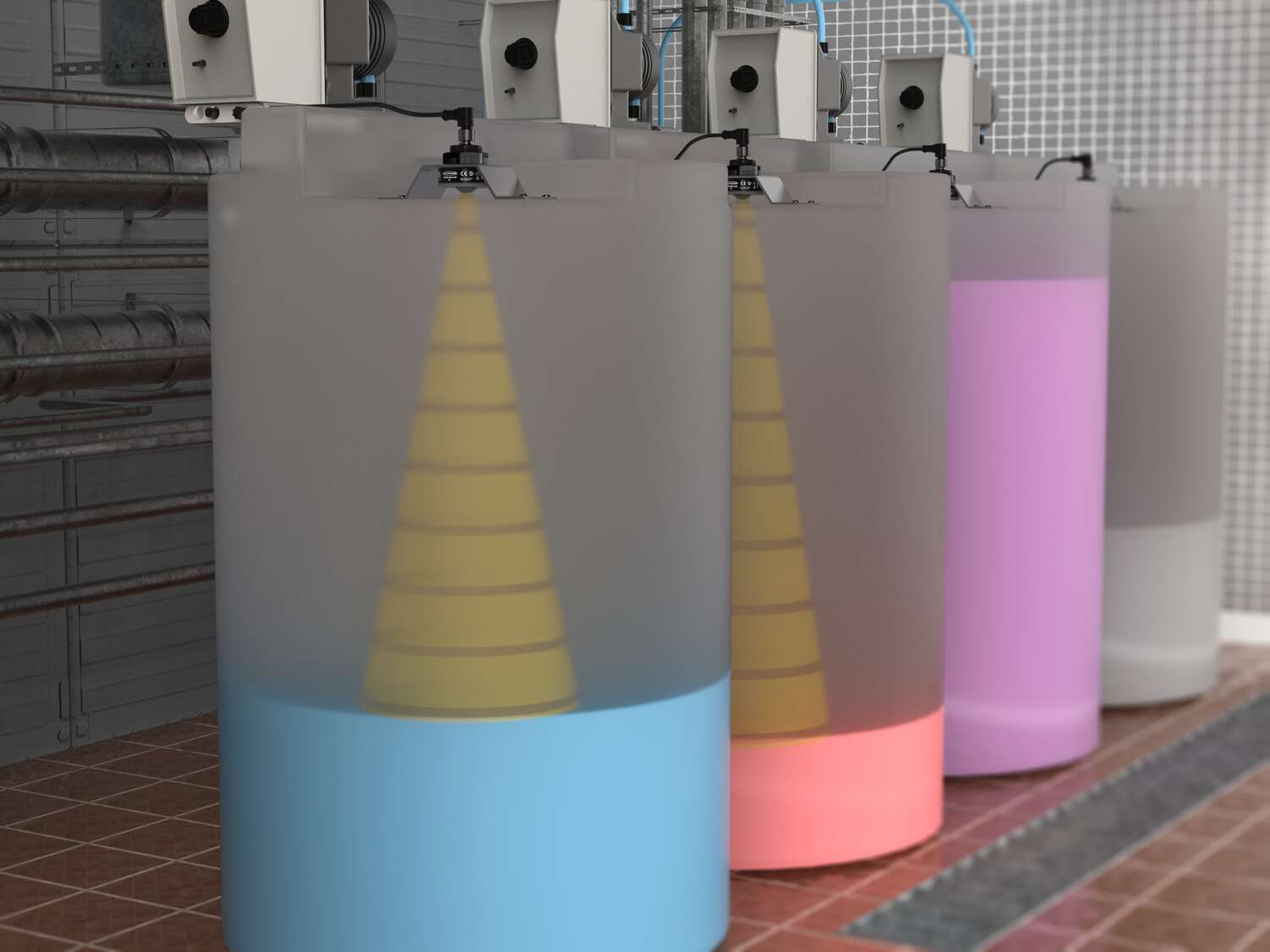
Radar sensors are also a key component of industrial automation. For example, radar sensors can measure solid or liquid volumes in containers, then communicate those fill levels to nearby workers via illuminated indicators, or through a cloud service (such as Banner CDS) to employees monitoring remotely. They can let warehouse workers know when trucks have arrived, or tell robotic picking arms if items are on a conveyor belt.