


New Products
-
 6 May 2026
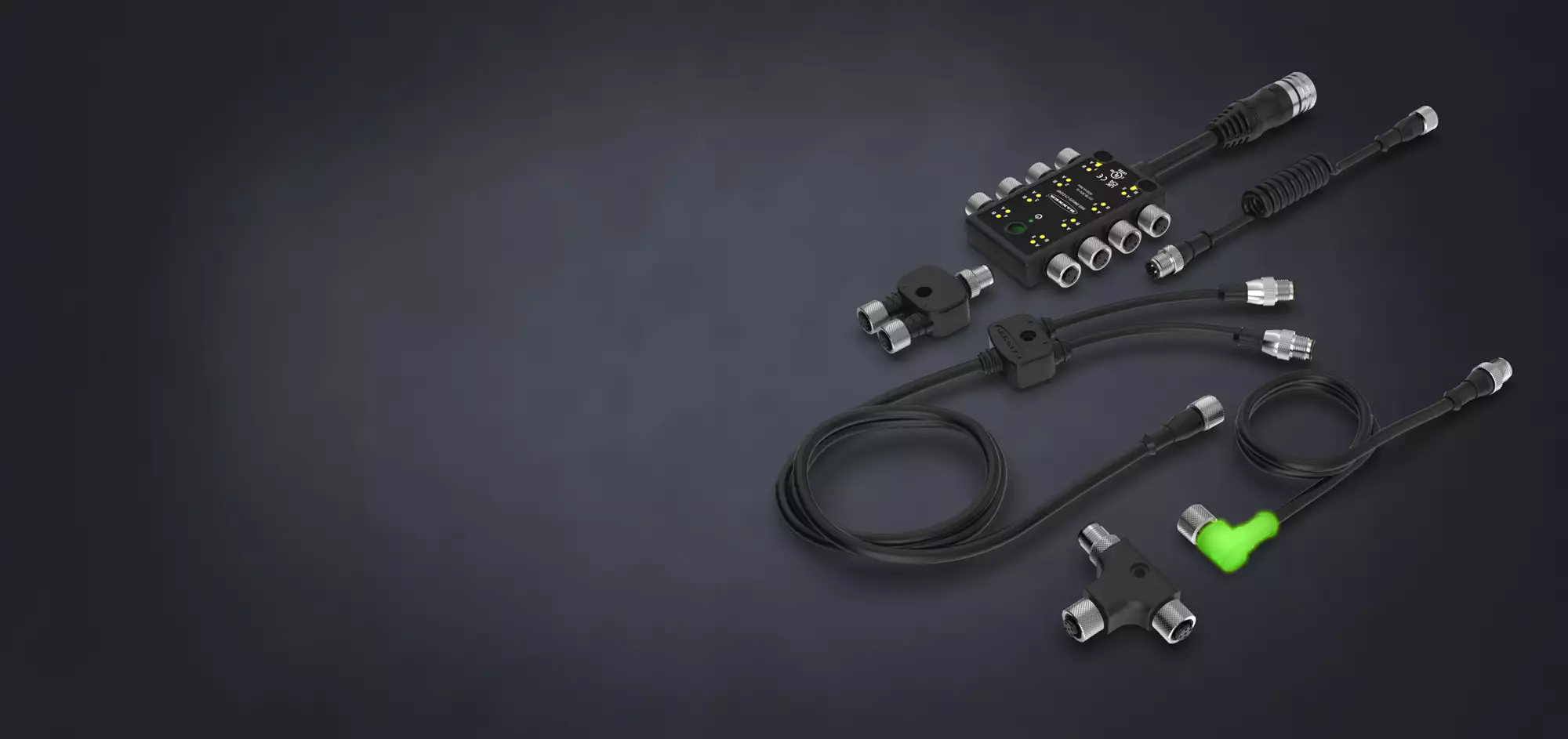
5-Pin M12 and 3-Pin M8 High Flex Cordsets
-
 29 Apr 2026
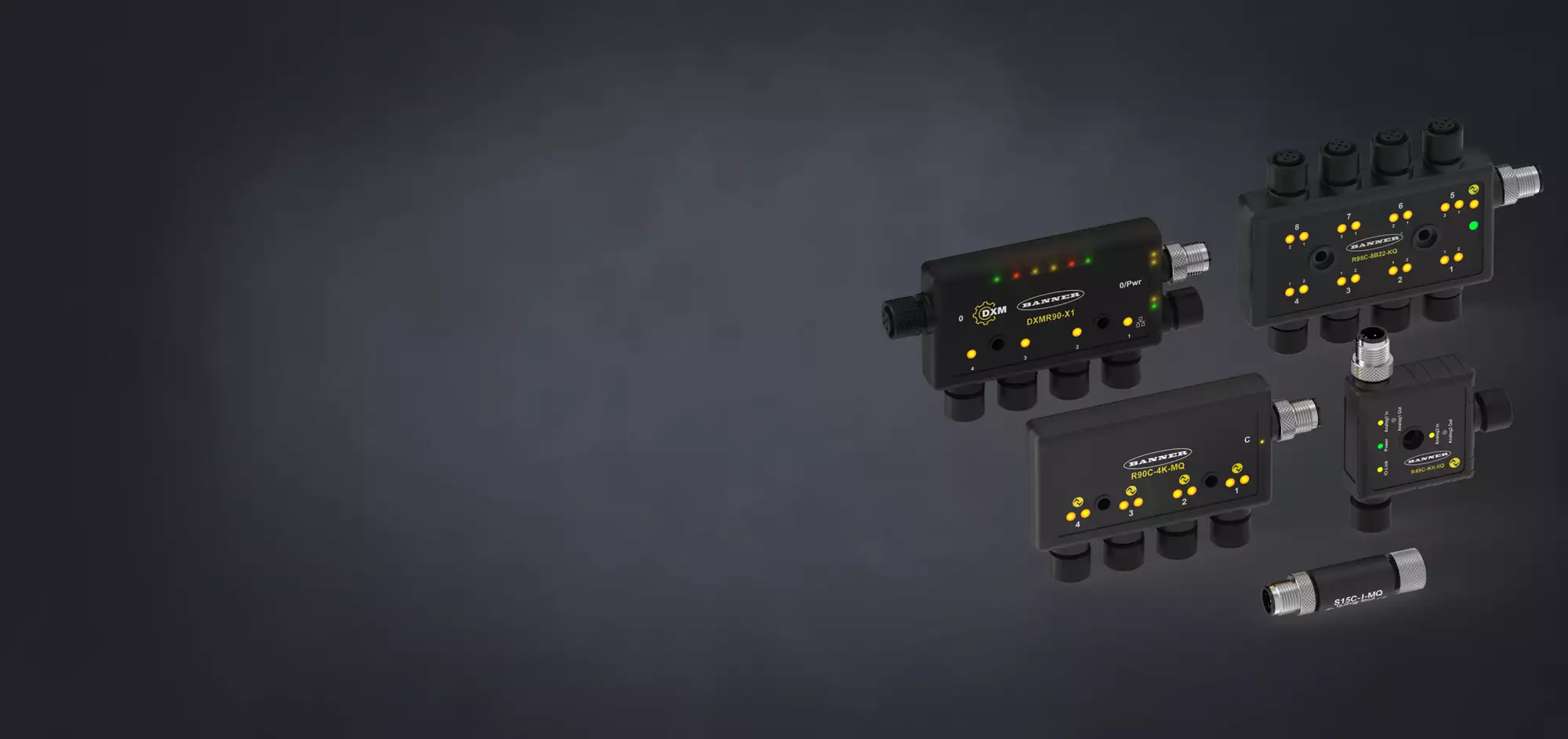
R95 M12 Power Splitter
-
 15 Apr 2026
M12 A-Code 18 AWG Cordsets
-
 15 Apr 2026
M12 A-Code 22 AWG Cordsets
-
 2 Apr 2026
DXMR50 Logic Block
-
 4 Mar 2026
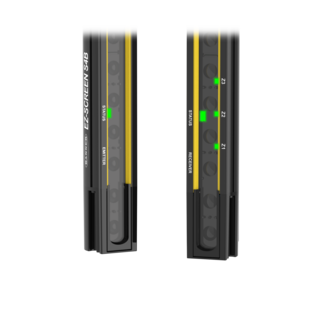
S4B Safety Light Curtains
-
 25 Feb 2026
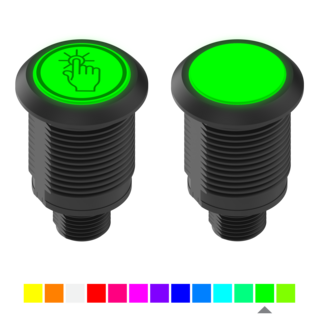
S22 Programmable Indicator and Touch Button with IO-Link and Modbus
-
 25 Feb 2026
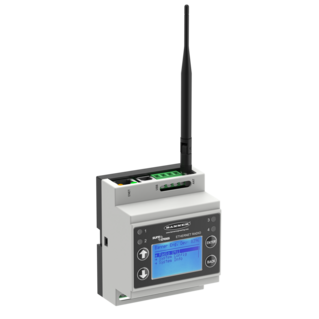
DX700ER Ethernet Data Radio
-
 18 Feb 2026
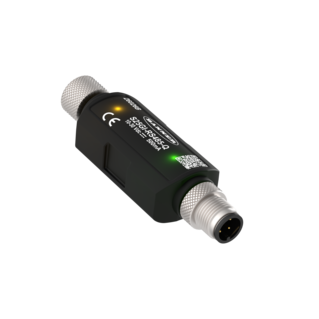
S25GI Galvanic Isolator
-
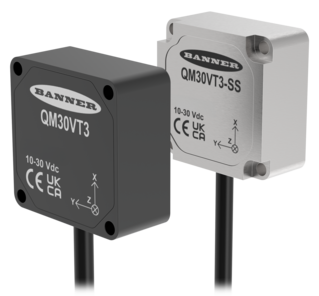 29 Jan 2026
QM30VT3 High-Performance 3-Axis Vibration and Temperature Sensor with IO-Link
-
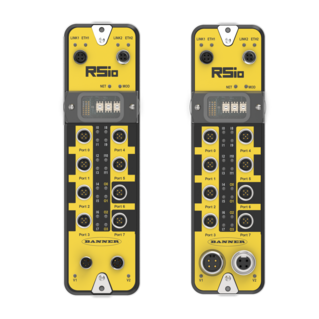 28 Jan 2026
RSio Remote Safe I/O


Learning Resources

-

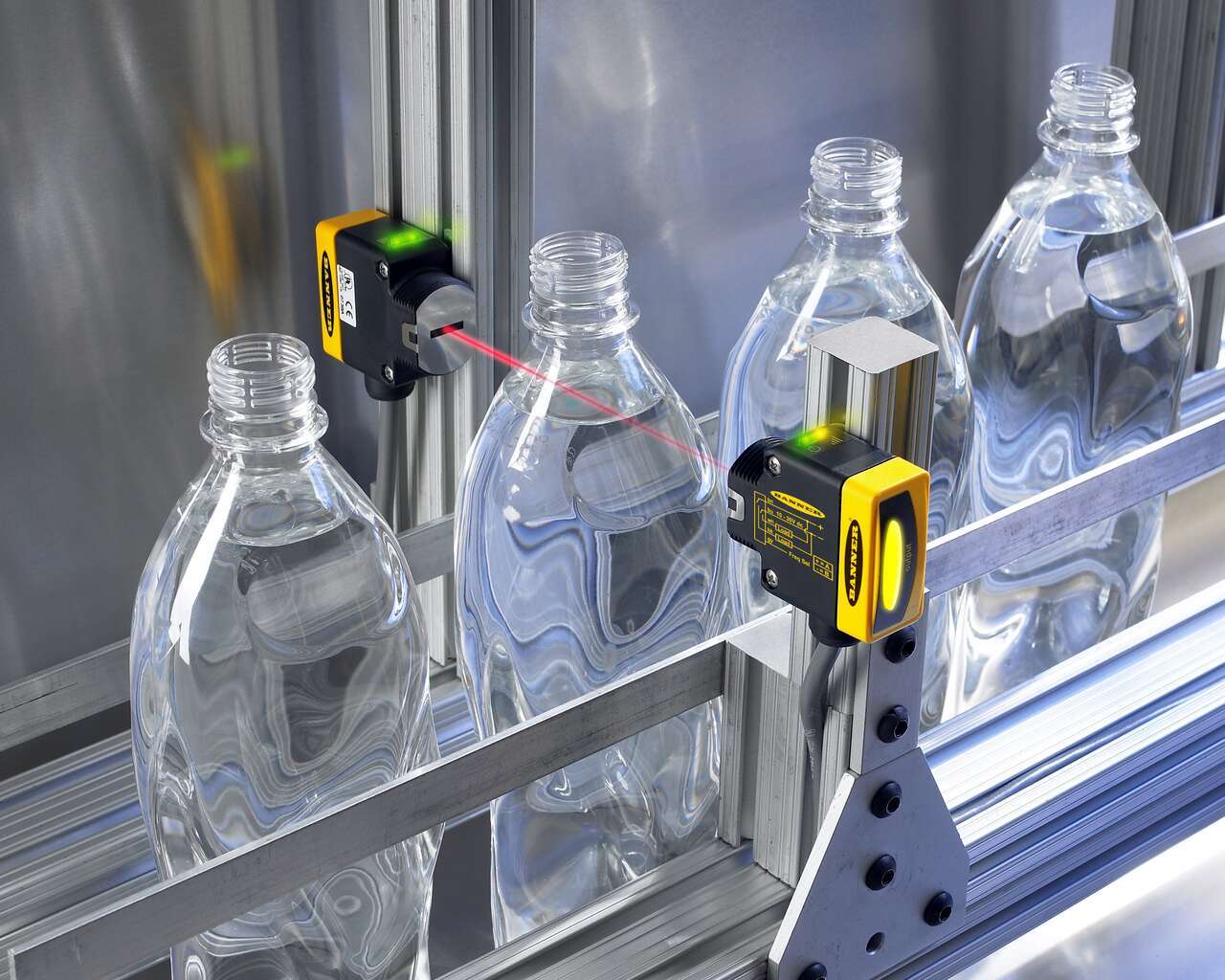
MQTT Made Easy with a Banner DXM Controller
-
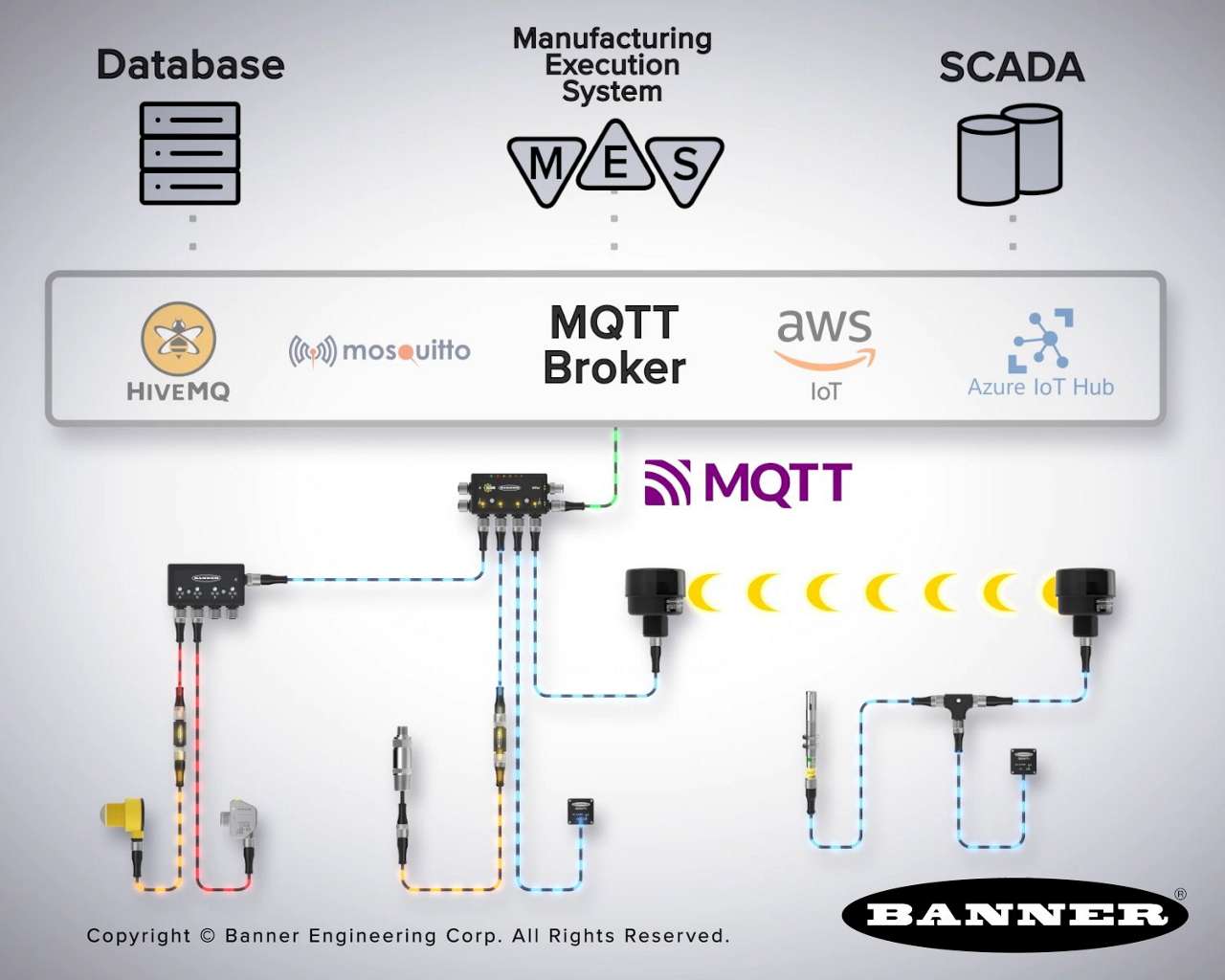
What Is MQTT? A Practical Guide for Industrial Automation
-

The Visual Factory
-

Guide to Car Wash Monitoring and Proactive Maintenance
-
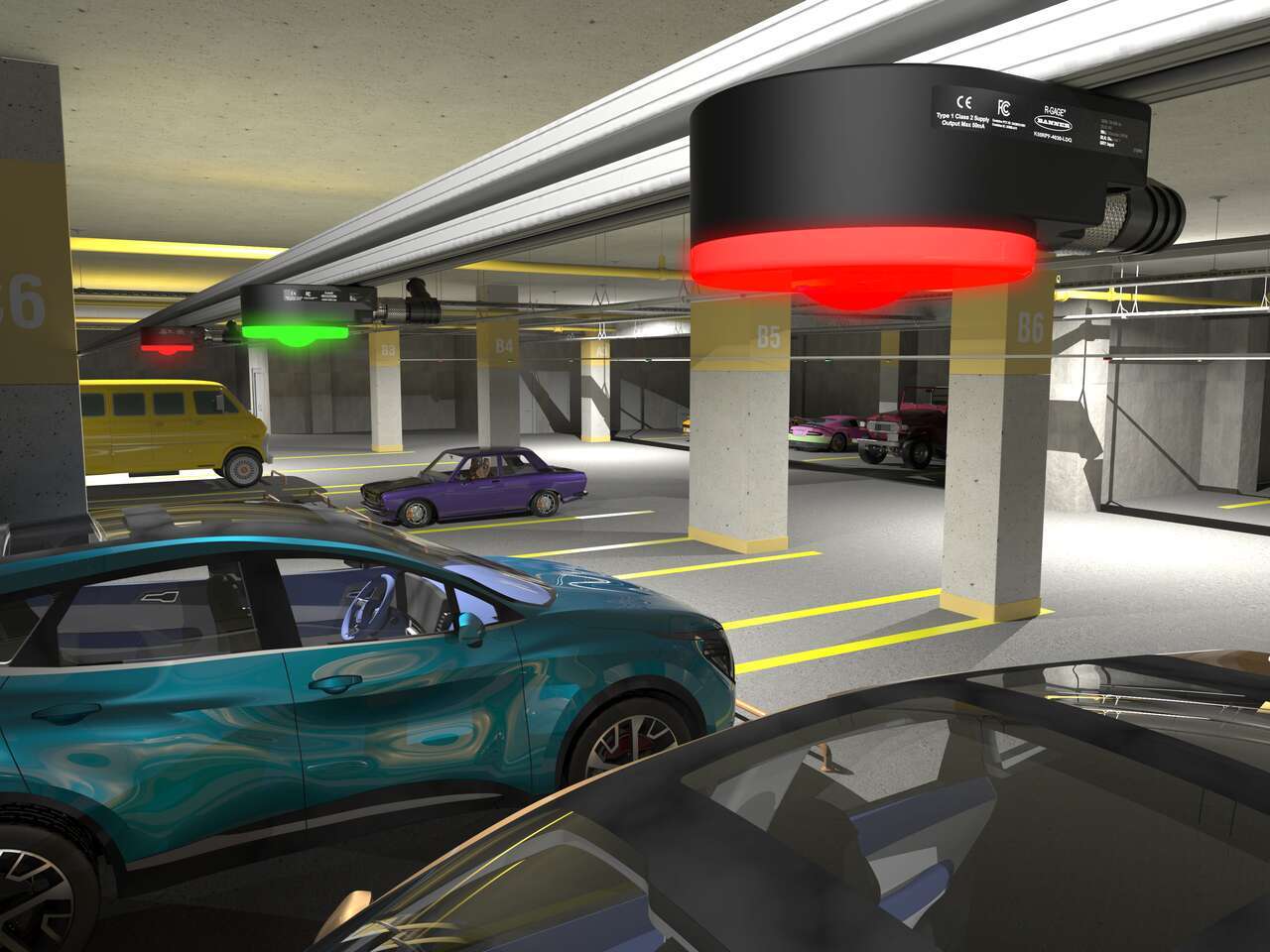
10 Things You Should Know about Radar
-
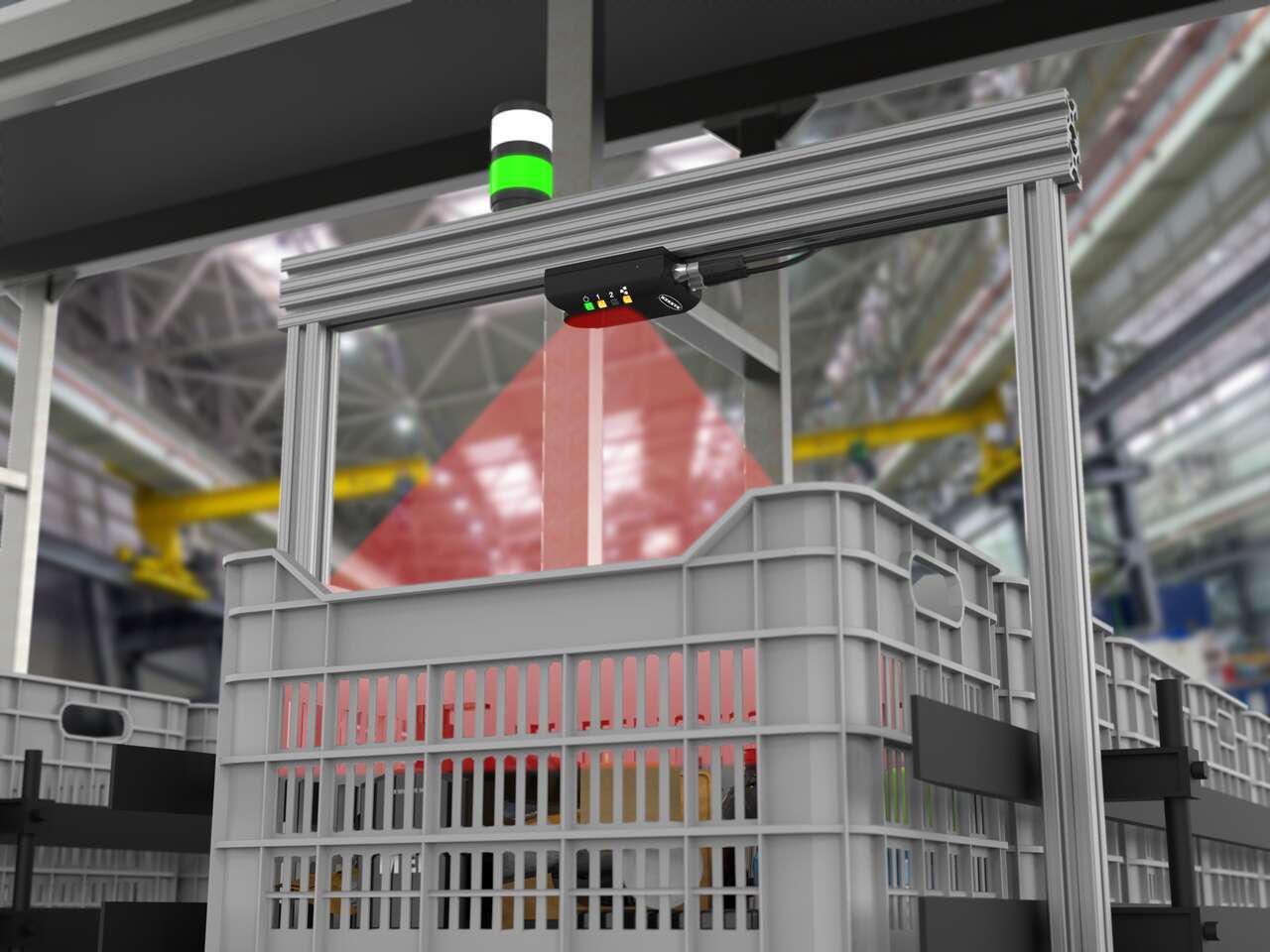
Easily Measure Bulk Container Fill Levels
-
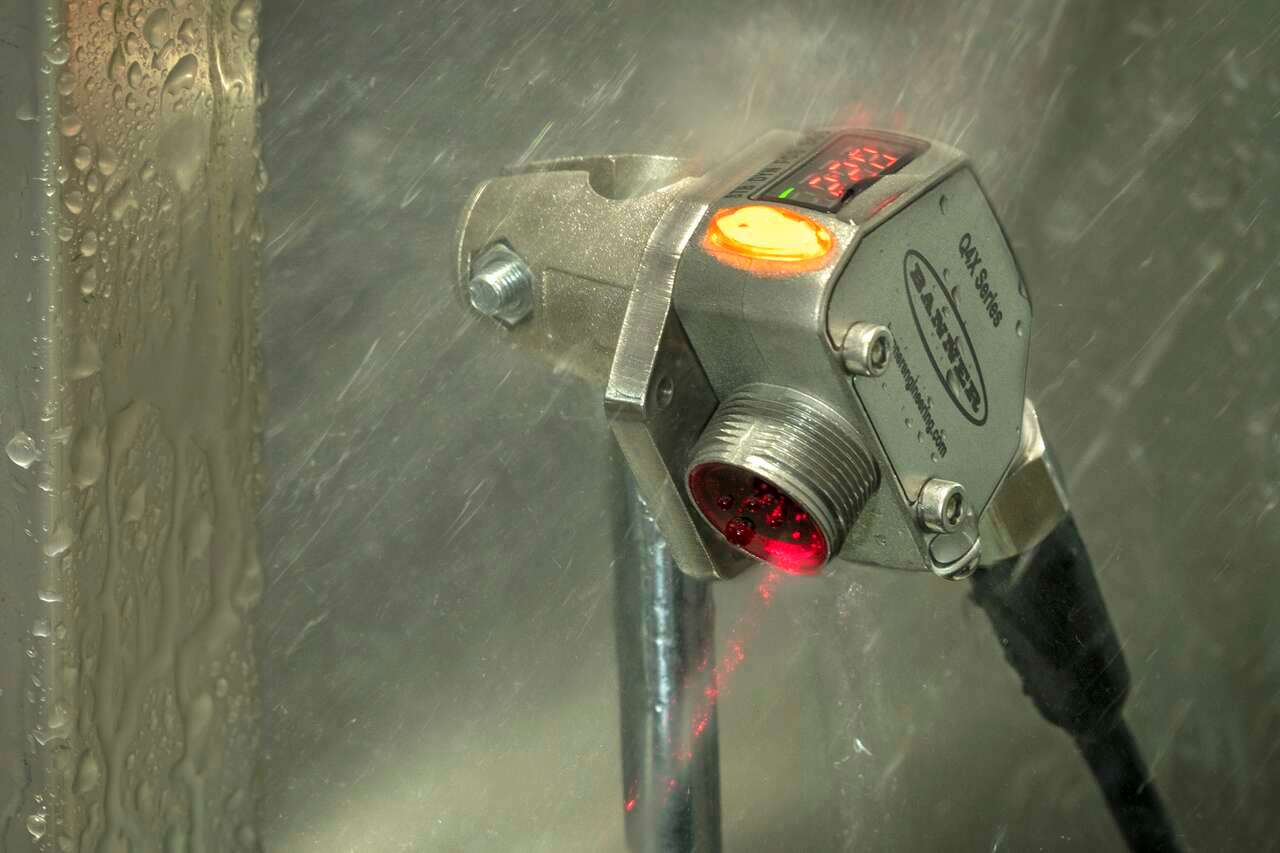
How To Use IP & NEMA Ratings To Choose The Right Sensor
-

Features and Benefits of Banner's SI-GL42 Guard Locking Safety Switches
-
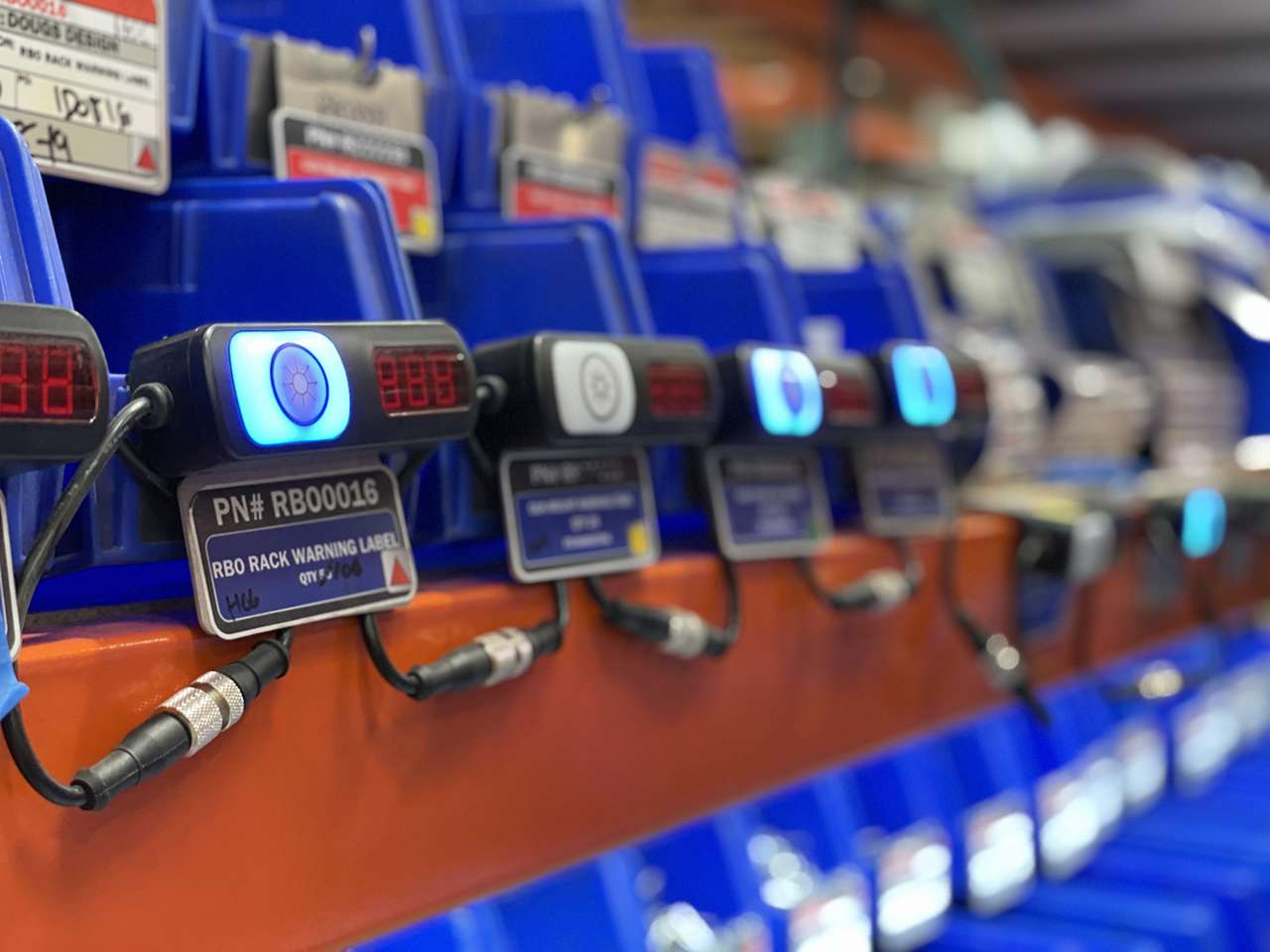
Increasing Productivity with Pick-to-Light System
-
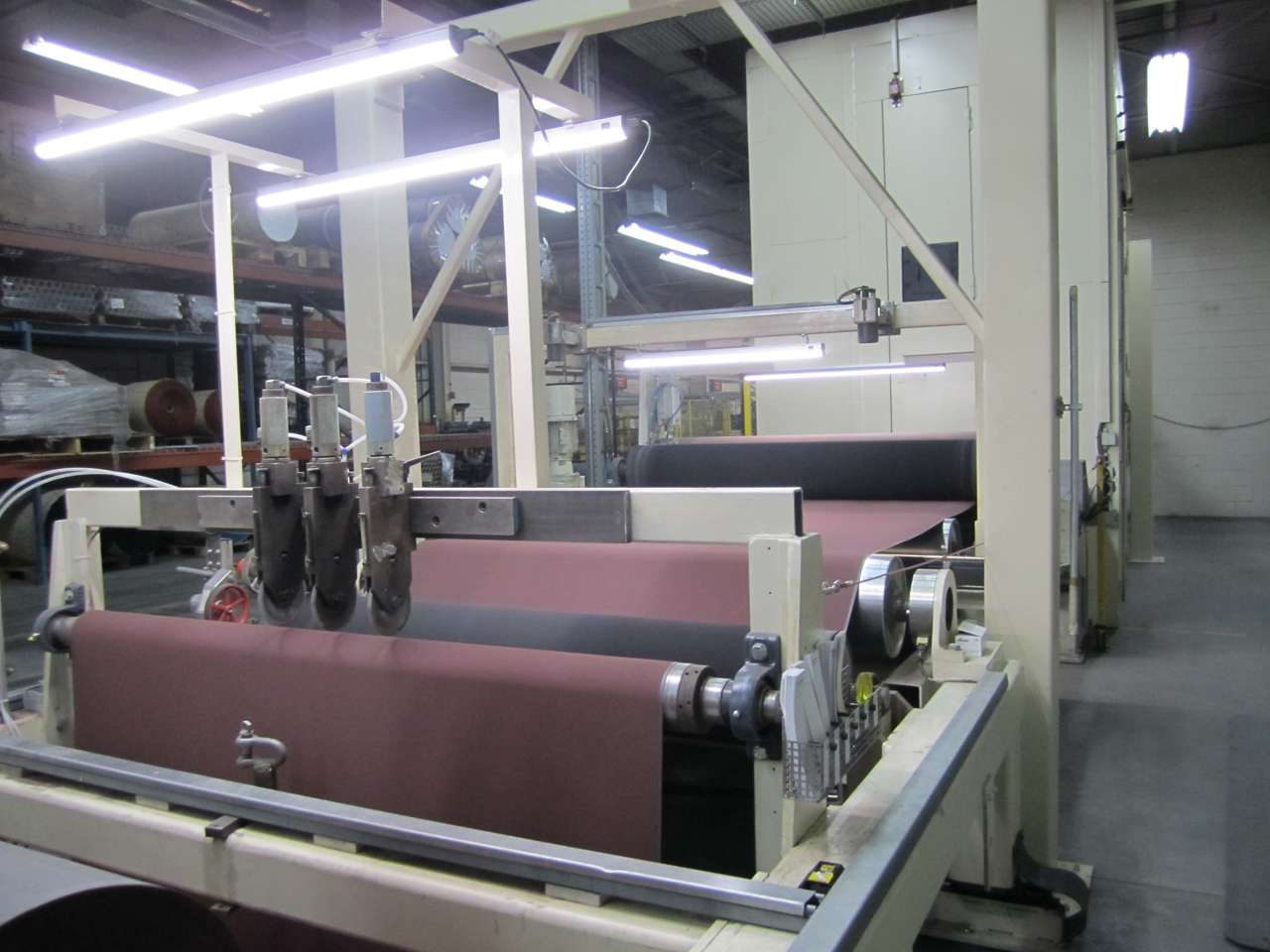
Illuminate Web Inspection Stations with Rapid-Install LEDs
-
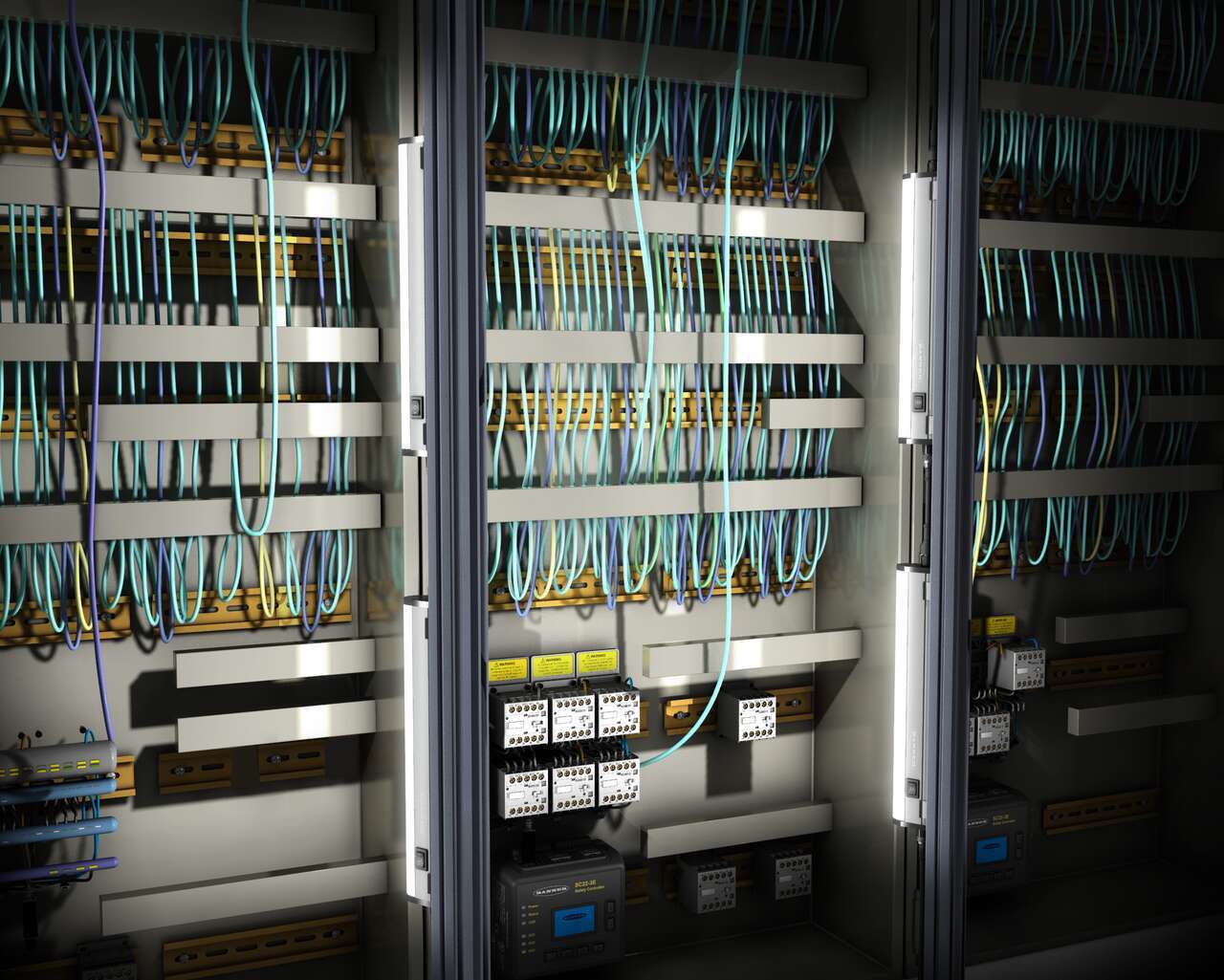
LED Lights Illuminate Control Cabinet
-
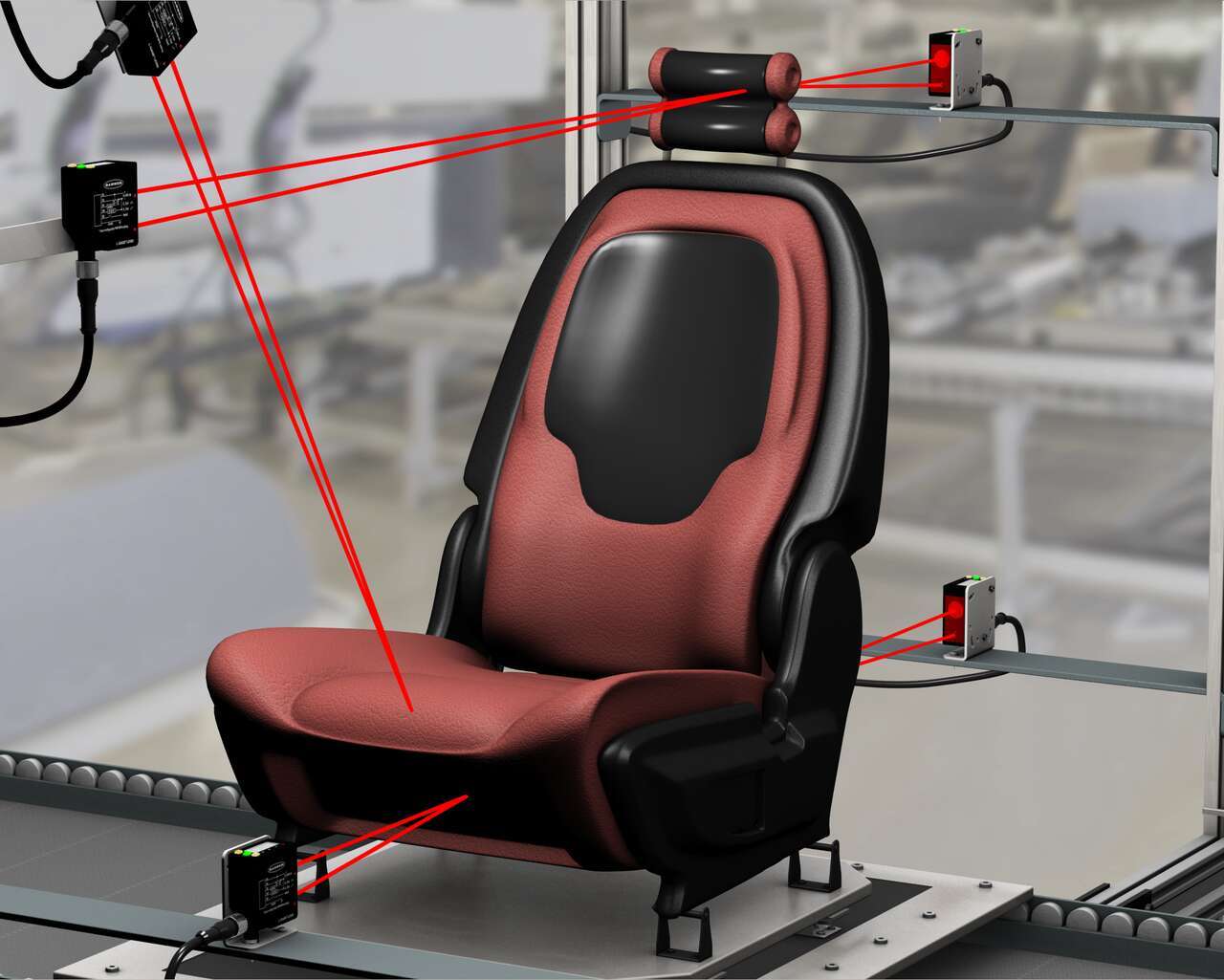
Sensors to Measure Movement Range
-
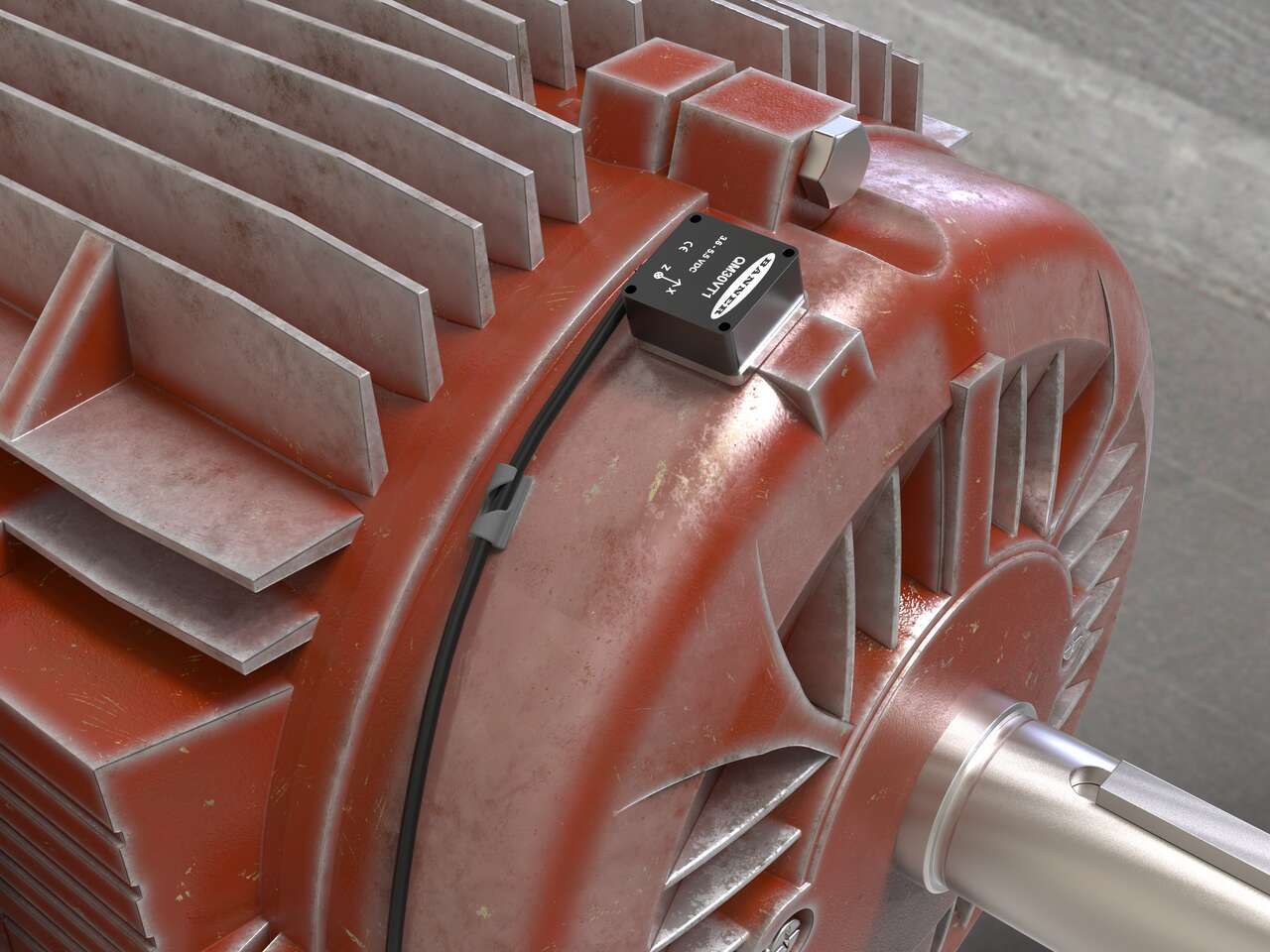
Monitor Vibration: Prevent Costly Downtime in Boiler Room
-

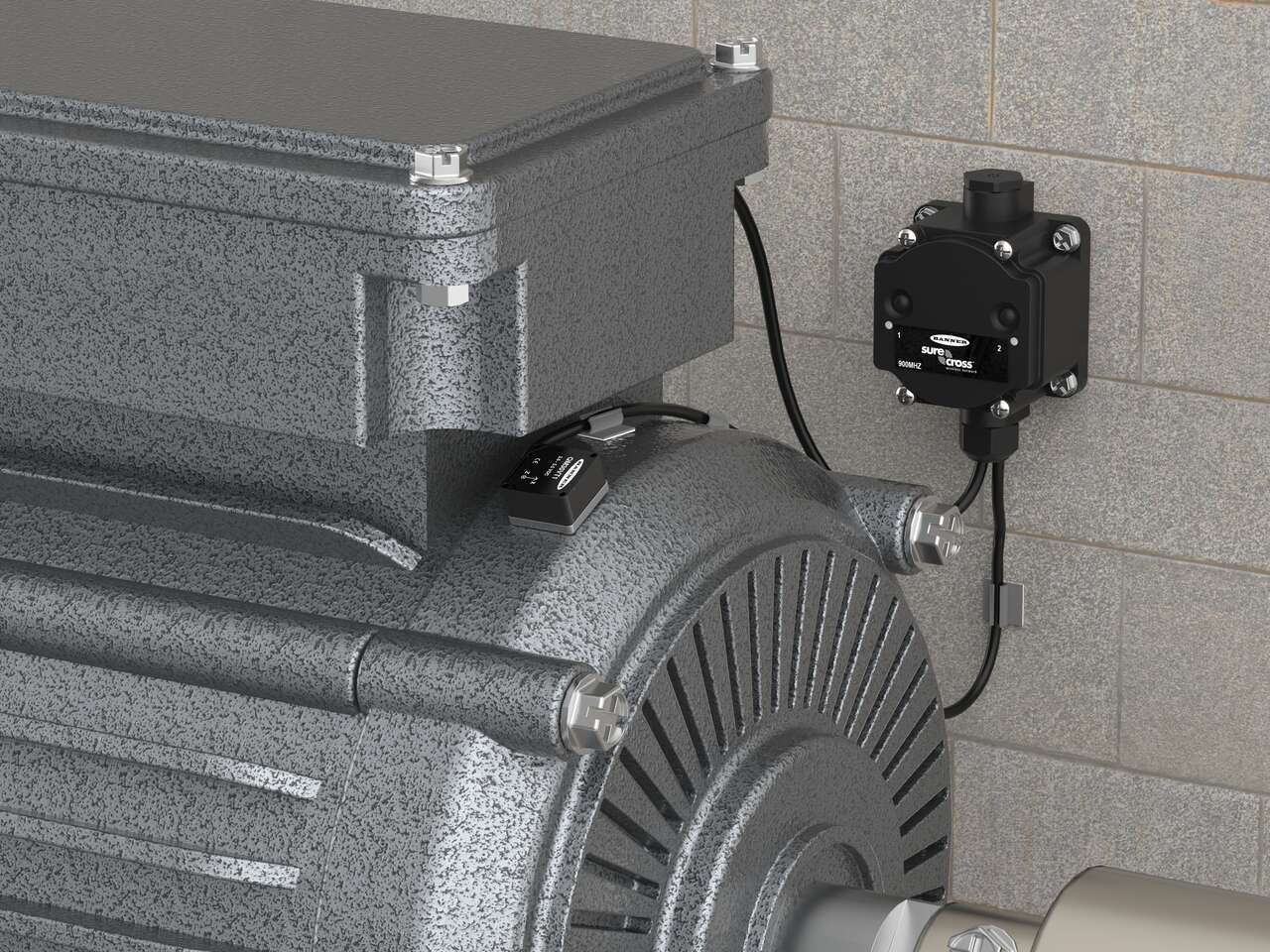
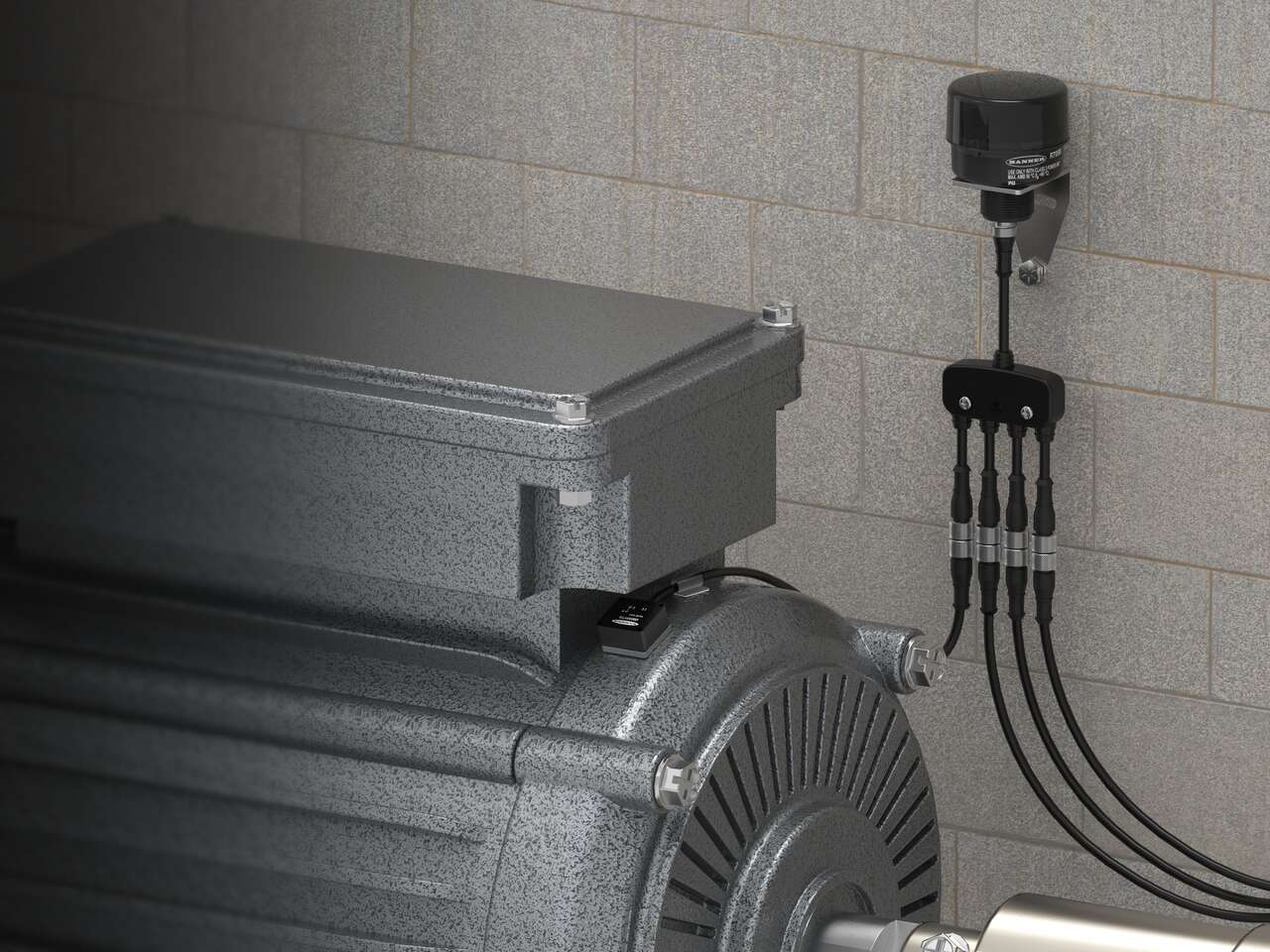
Predictive Maintenance for Crane Motors and Gearboxes
-
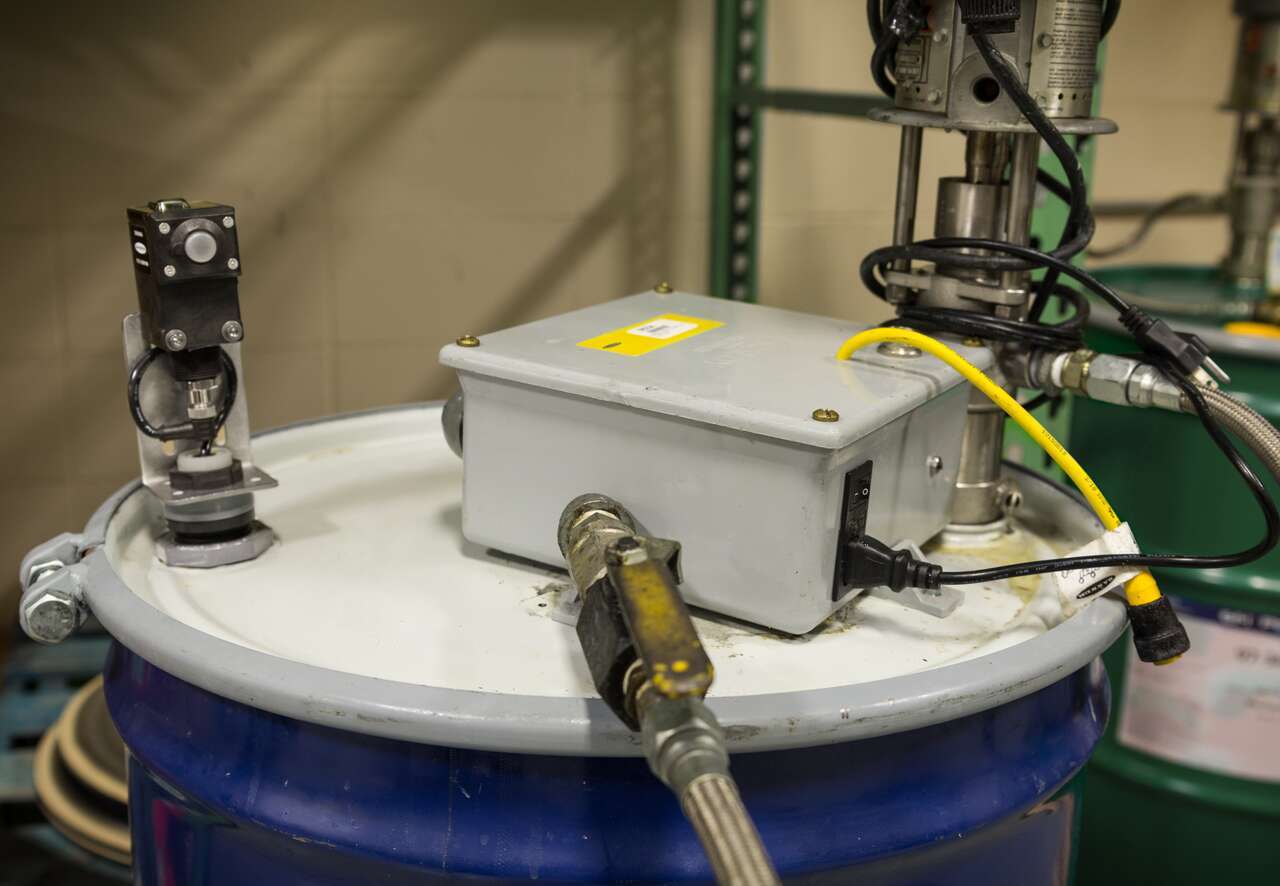
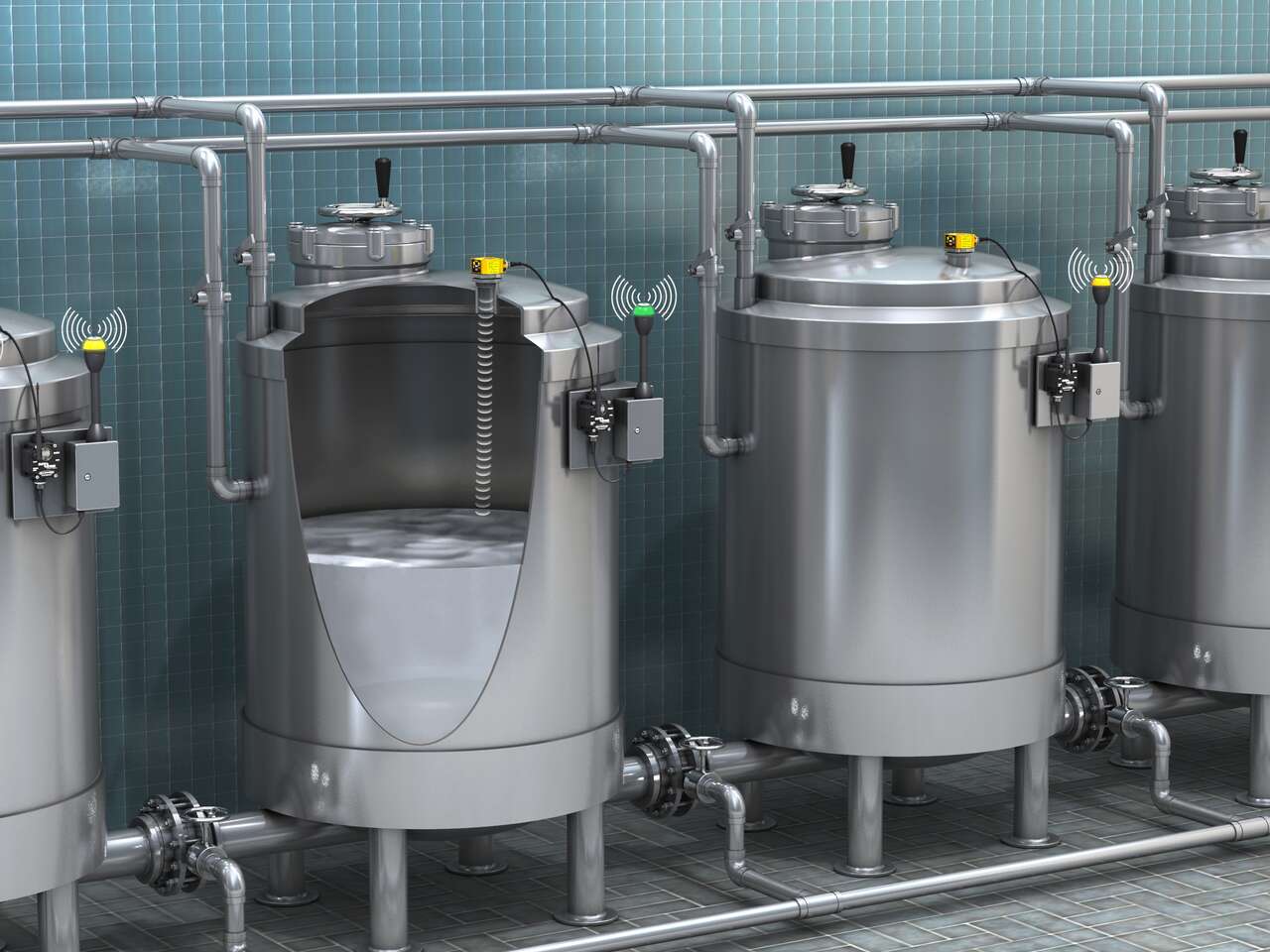
Monitor Fill Level of Liquid in Mobile Drum
-
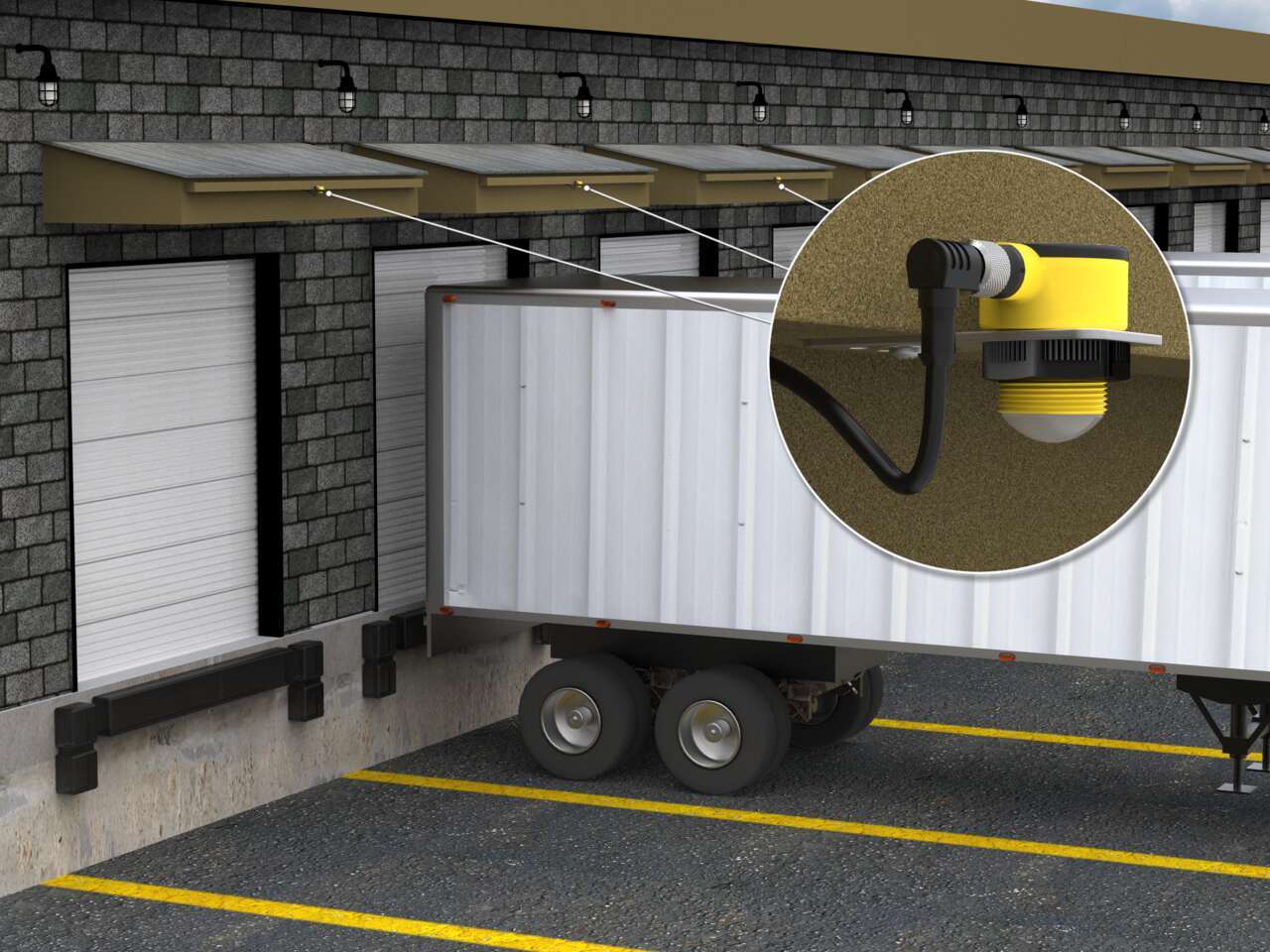
Warehouse Vehicle Detection with Indication
-
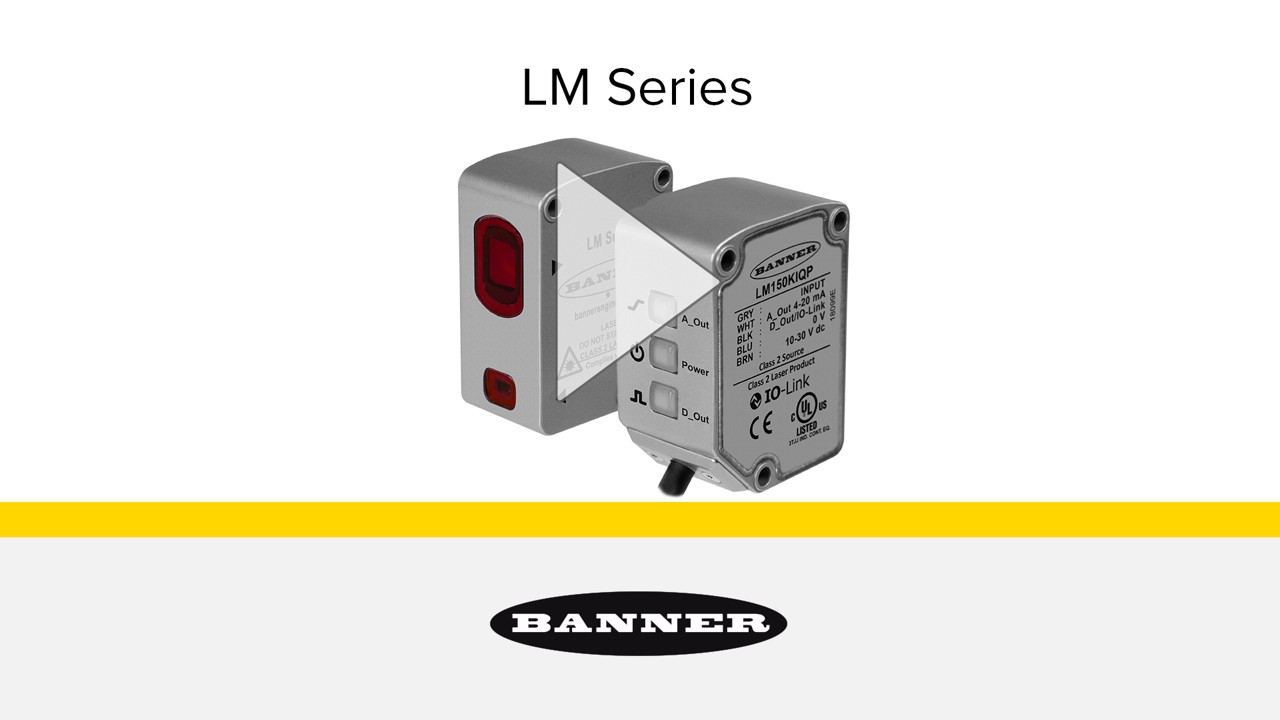
LM Series Precision Laser Measurement Sensor
-
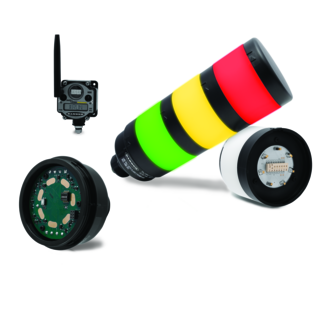
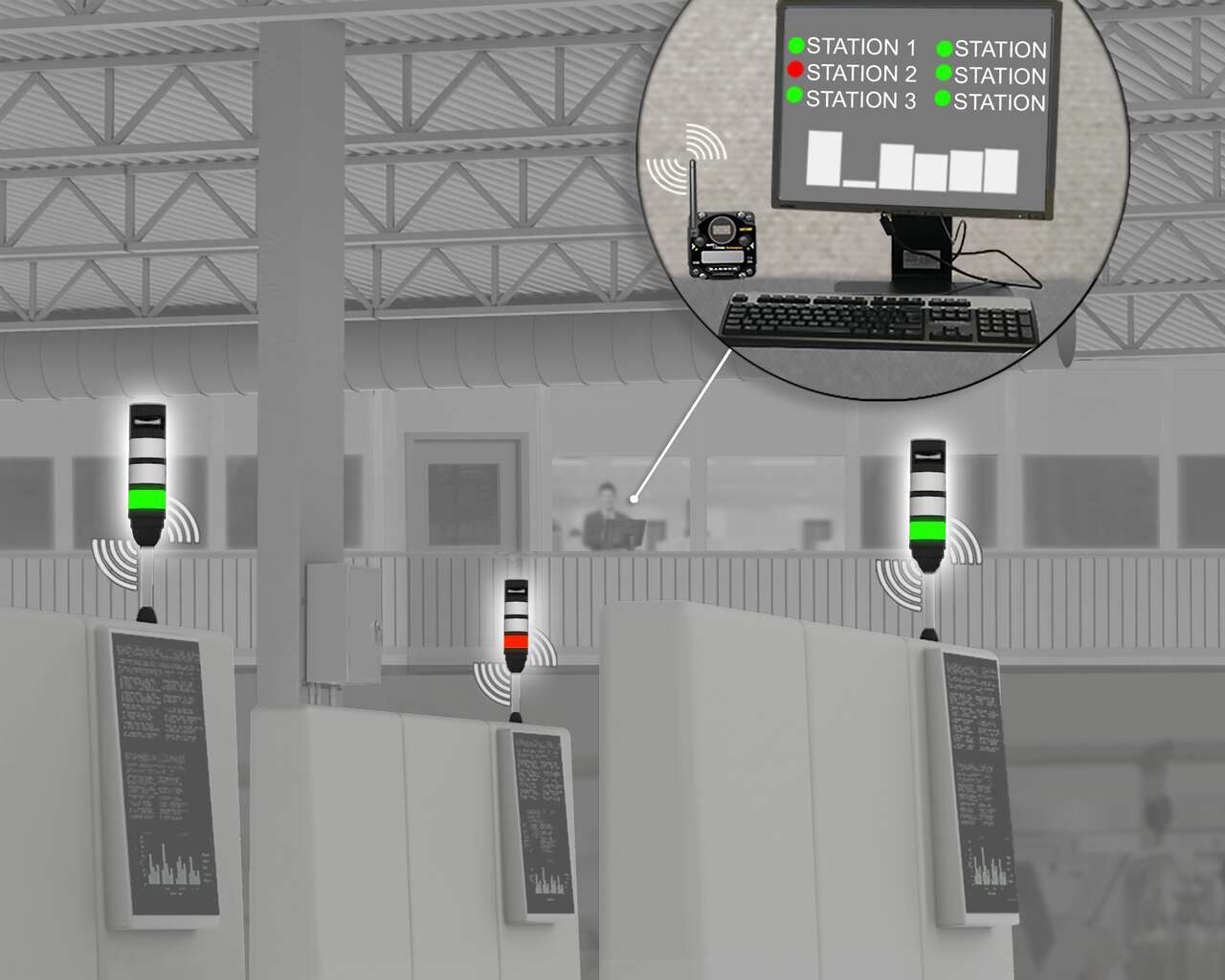
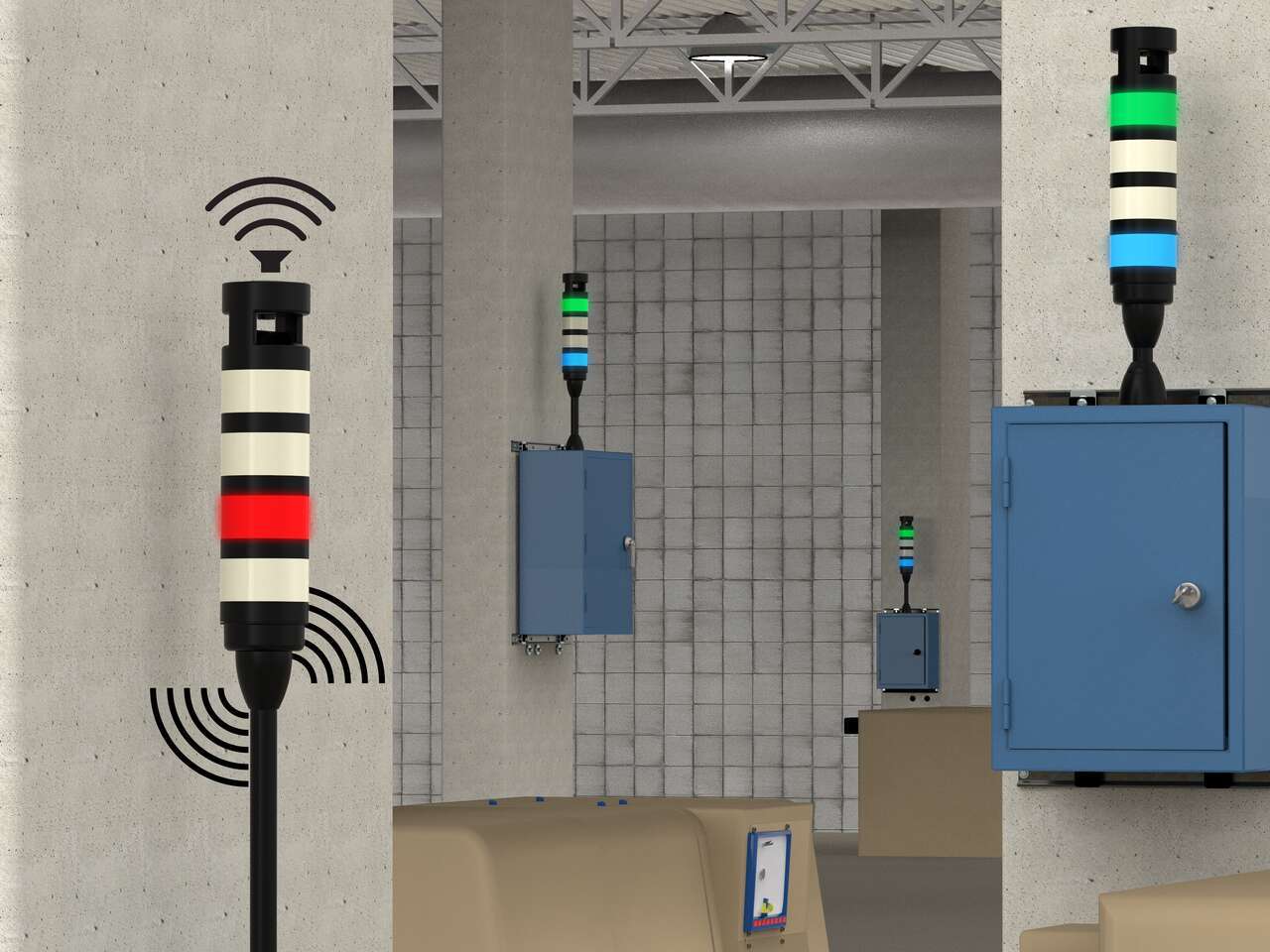
How to Use Tower Lights to Gather Production Data for IIoT
-
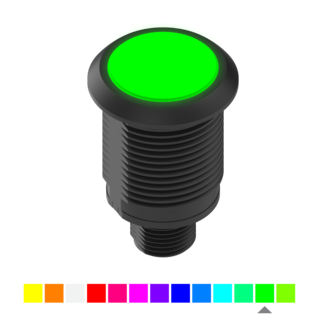
S22 Pro Series Indicators and Touch Buttons
-
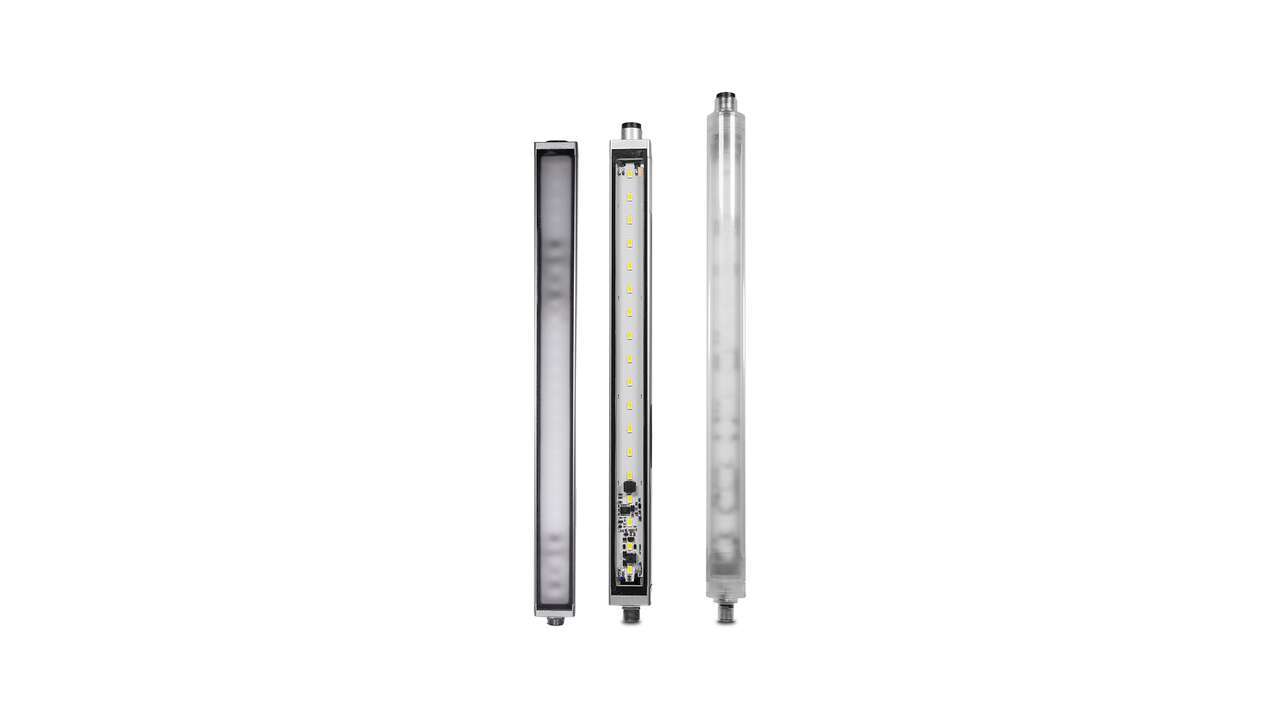
Multicolor LED Strip Lights with EZ-STATUS®
-
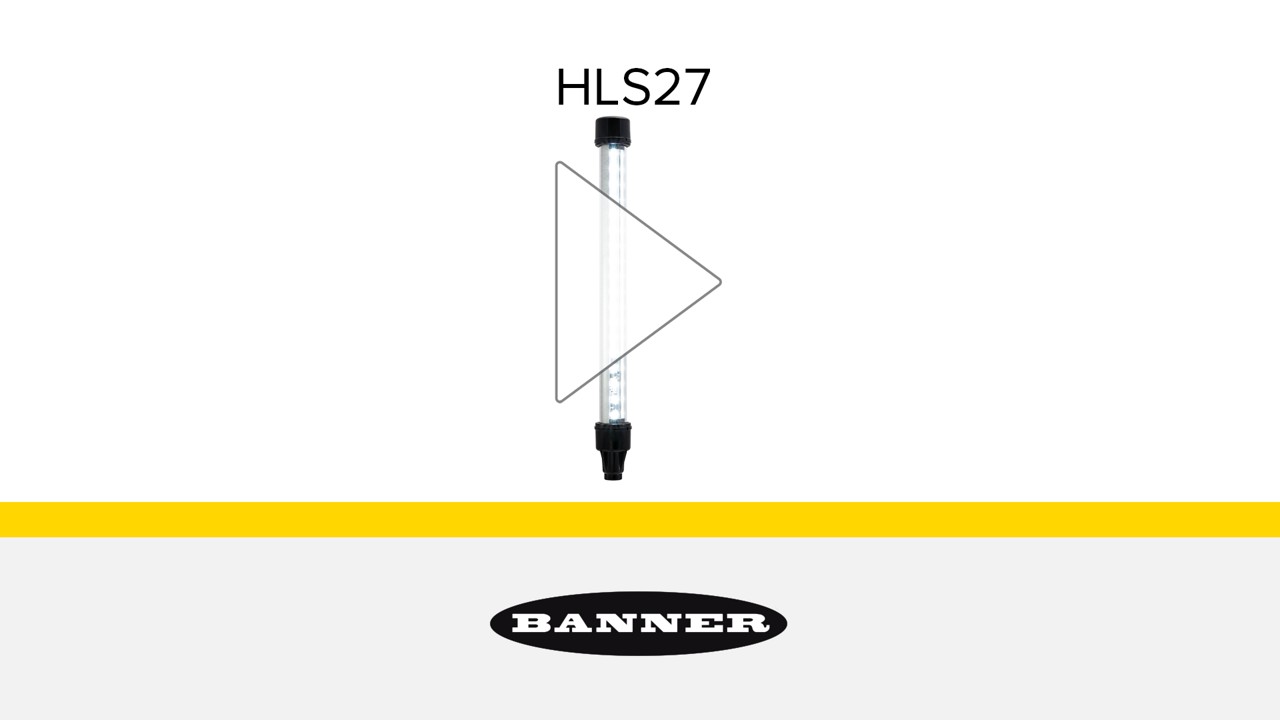
HLS27 LED Strip Light for Hazardous Locations
-
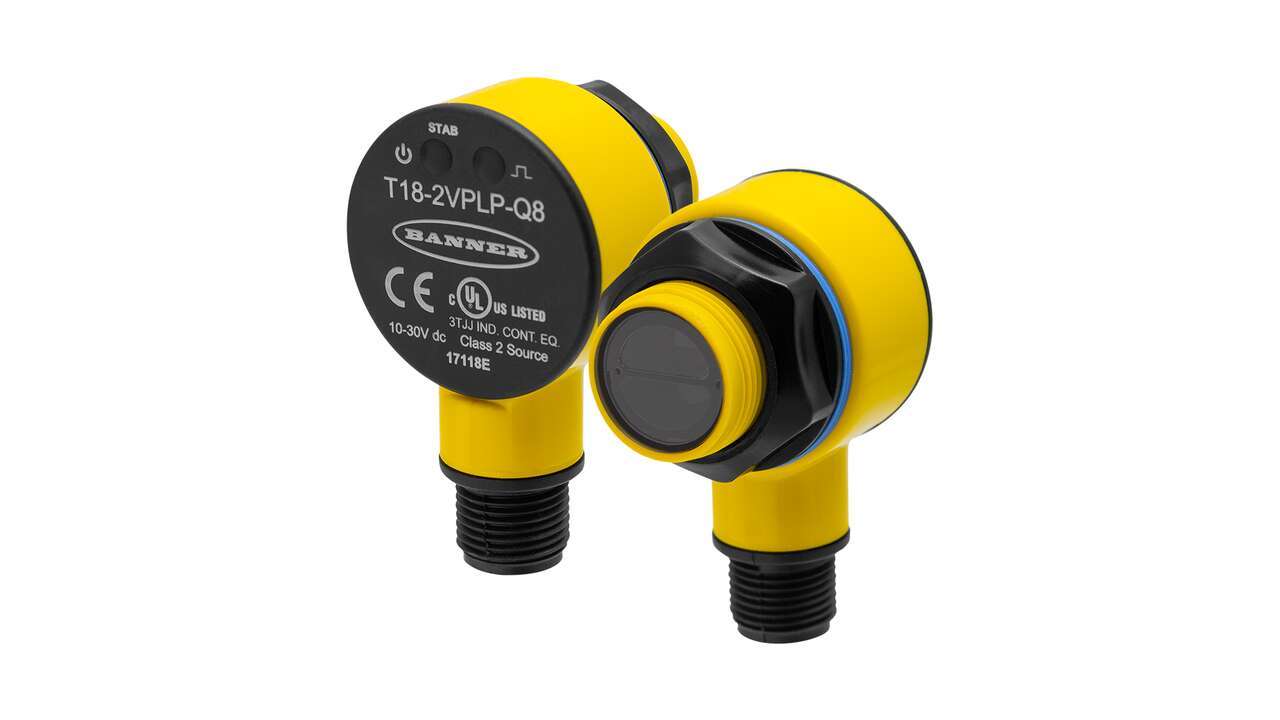
Next Generation T18-2 Series Washdown Sensors
-
![iVu Series Vision Sensors [Video]](/content/dam/banner-engineering/projects/video-thumbnails/i_Vu_Video_Thumbnail-new.psd/jcr:content/renditions/cq5dam.thumbnail.319.319.png)
iVu Series Vision Sensors
-
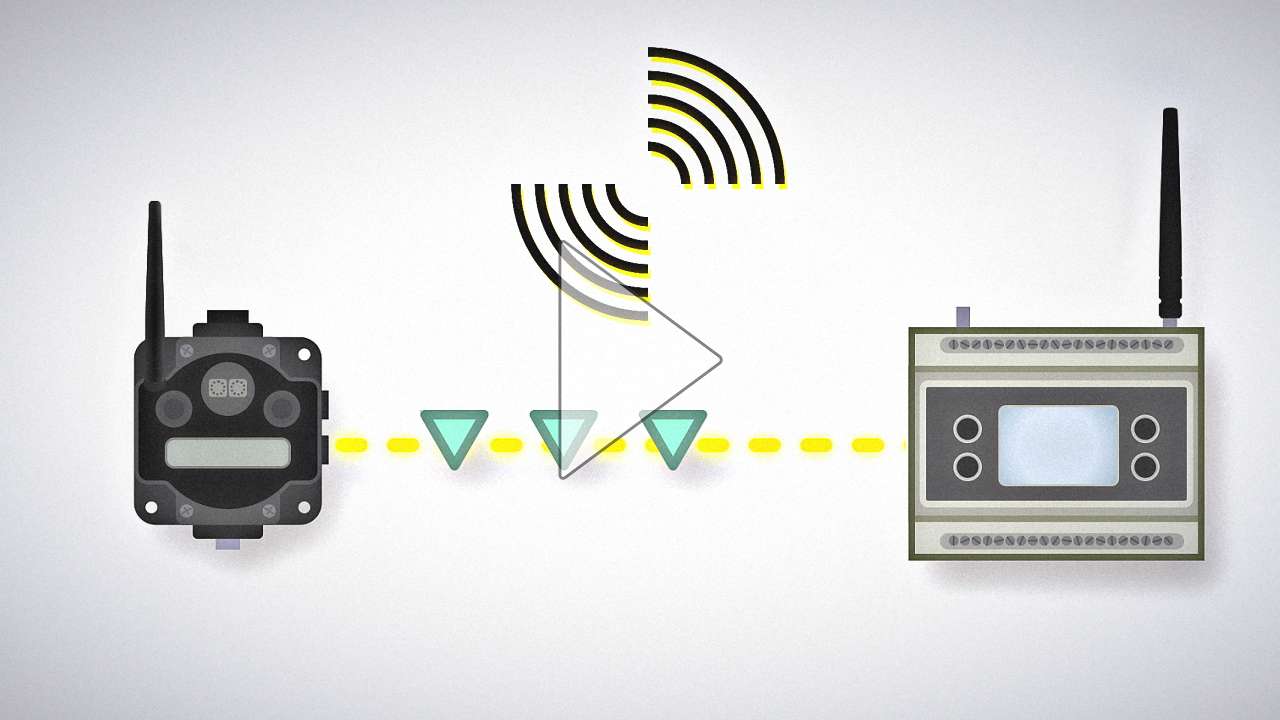
Wireless Solutions That Keep Your Network and Data Secure
-

5-Step Guide to Modernize Your Factory
-
What IIoT Means for Manufacturing
-

Preventing Downtime in Tire and Rubber Manufacturing
-

Five Steps to Implementing a Predictive Maintenance Program
-

Smarter Lighting
-

Considerations for Lighting in a Manufacturing Environment
-

Prevent Motor, Fan, and Pump Failure
-

Machine Safety Fundamentals
