ディスプレイ
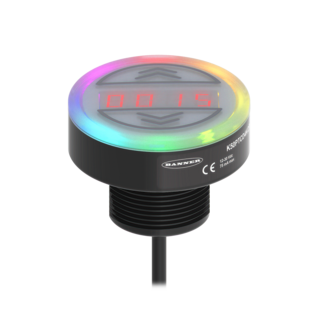
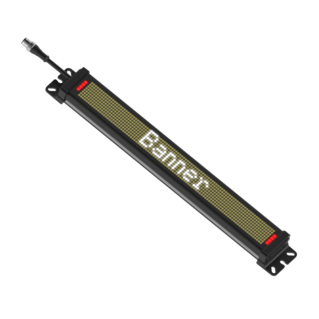
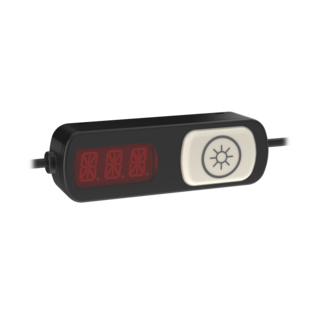
産業用LEDメッセージディスプレイは、重要なステータス、プロセス、およびその他のマシン情報を迅速かつ明確に伝えます。バナーの一連のタッチボタンとスクロールディスプレイは、テキスト、色、表示を組み合わせることで、多くの用途の生産性と効率を向上させ、速度、品質、コスト削減を向上させるオペレーターガイドを提供します。
製品選択
How-to: Advanced Table Functionality
Arrange column order by dragging and dropping the column header left/right with your mouse.
Sort items in a column by ascending values by clicking the table header once. Click a second time to sort by descending order. Click a third time to remove the sorting for that column.
Shift-click additional column headers to sort by multiple attributes. The first column you sort becomes the primary sort, and each Shift-clicked column adds a secondary level of sorting.
-
リセット
FAQs
What communication options are available for Banner display products?
Banner Engineering Display solutions support a range of communication options. There are Discrete IO, IO-link, Modbus, Wireless, and Pick-IQ options available to allow for seamless integration.
What are typical power and connection requirements for Banner displays?
Most banner displays operate on a 10-30 V dc supply voltage. There is also 18-30 V dc. Connection types vary between Dual Pigtail QD, Integral QD and Pigtail QD.
What application modes do Banner displays support?
- Status displays: Show equipment status, counts, measurements, timers, or operator guidance
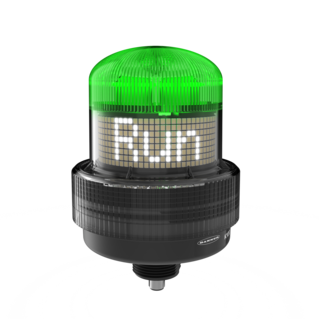
- Programmable Beacons: Combine visual color cues with text status.
- Pick-to-Light Devices: Visual job guidance in picking/assembly and inventory systems.
- Indicator Buttons: Light status, operator feedback, or small numeric displays with touch/gesture input.
How can LED indicators/displays be used for real-time operator feedback?
Banner LED indicators and displays provide visual feedback to the operator. Devices can be used with discrete inputs, using PLCs, HMI, or other control systems. LEDs can be programmed to change colors (green/yellow/red) to show process stages, machine warmup, or emergency stops, and more.
What is the difference between discrete and protocol control?
Discrete models can be controlled via a voltage signal, making it better for straightforward applications. Whereas PICK IO and IO link will need a Modbus client or IO link master to command the lights, making it better for advanced applications.